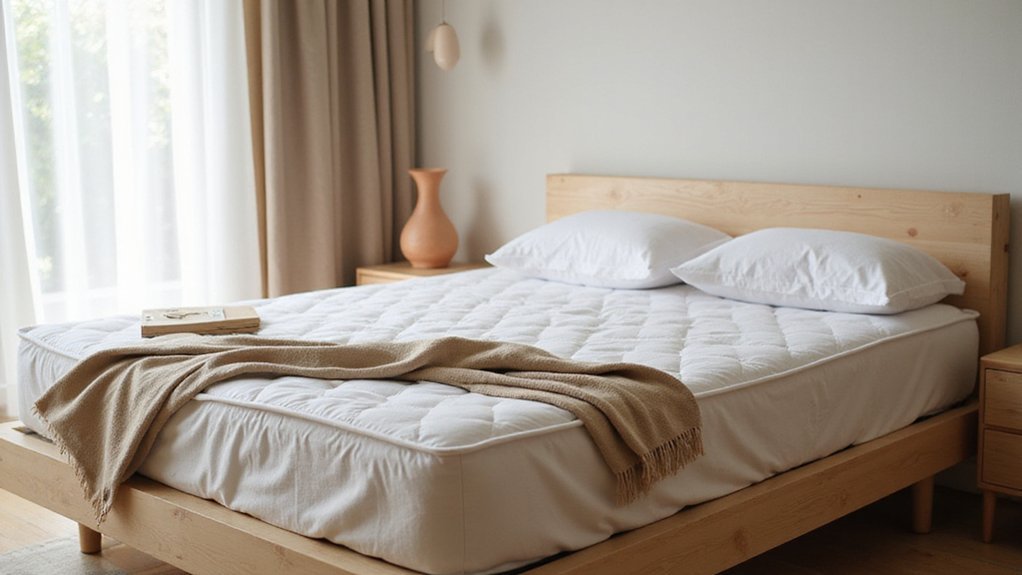
Deciding between a twin and full mattress can feel tricky, especially when space and comfort are on the line. The extra 16 inches of width on a full can provide nearly 40% more sleeping area, which makes a big difference for taller adults or those who like to spread out.
Here’s what you need to know to pick the right size for your space and sleep style.
Twin vs Full Mattress: How Much More Space Do You Actually Get?
A full mattress provides 16 extra inches of width compared to a twin, increasing from 38 inches to 54 inches. This additional space adds up to about 1,200 square inches of sleeping area, which is roughly 38 percent more surface area. The length remains the same at 75 inches, so you gain more width without sacrificing height. For context, a queen mattress offers 60 inches of width, which is even closer to the space of two twin beds, but the full remains a popular middle ground for solo sleepers needing more room without the jump to a queen size mattress. When installing a full mattress in a small room, careful measurement of the window is essential to ensure an air conditioner can fit properly without blocking the bed.
This extra width is especially beneficial if you tend to move around a lot or sleep with a partner. When sharing a full, each person gets approximately 26.5 inches of space—more than the 19 inches on a twin—and results in a significantly more comfortable sleep. The broader surface also distributes weight more evenly, improving mattress durability over time.
While the twin might feel cramped for a solo sleeper, the full provides enough room to stretch out comfortably. Those 16 inches can make a noticeable difference in your nightly rest, offering both more wiggle room and better long-term support. To complete your bedroom setup, you can follow a ceiling light fixture guide for effortless installation.
Does Your Room Have Enough Space for a Full or Twin?
To determine if your room can fit a full or twin mattress comfortably, your measurements must be precise. A twin mattress requires at least a 7 by 10-foot space to feel uncluttered and easy to move around in. If your room is smaller than that, a twin might feel cramped. A full mattress needs a bit more room—around 10 by 12 feet—to allow free movement and accommodate additional furniture like dressers or nightstands. For reference, a queen bed frame is even wider at 60 inches, demanding more floor space than either full or twin. Keep in mind that mattress thickness can also impact available space; a thick pillow-top can reduce vertical room and limit decorating options in tighter spaces. A standard twin mattress measures 38 inches wide by 75 inches long, which is about 10 inches narrower than a full. Always measure your room’s dimensions carefully before choosing your mattress size to avoid surprises. If only 7 by 10 feet is available, a twin is your only option. If your space measures 9 by 9.5 feet, you might squeeze in a full, but expect to sacrifice some floor space for other furnishings. Unlike a storage bench vs ottoman decision, which prioritizes seating and hidden storage, choosing a mattress size must focus purely on floor dimensions and clearance. Remember, your room’s actual measurements, not your wish list, should guide your decision.
Should You Buy a Twin or Full for Your Child’s Bedroom?
A full mattress is the better choice for your child’s bedroom if space allows and you want a long-term solution. A typical full bed measures 54 inches wide and 75 inches long, offering about 39% more sleeping surface than a twin bed. This extra room benefits growing children and restless sleepers by providing more comfort and reducing the likelihood of feeling cramped.
In a 10 by 10-foot room, a twin bed leaves approximately 73 square feet of free space, while a full bed reduces this to around 53 square feet. This difference is significant when space is tight and safety is a concern. A full mattress also supports better bedding options since most standard sheets and comforters are designed for it, making it easier to find quality bedding.
While a twin bed generally costs between $50 and $300 less than a full, investing in a full is smarter for teens who are growing or if you want your child’s bedroom setup to last several years. Consider upgrading from a twin when your child reaches about 5 feet 4 inches tall or complains of feeling cramped. For temporarily housing or extremely tight budgets, a twin can suffice, but a full offers durability and comfort for longer-term use.
When Is a Full Mattress the Better Choice for a Solo Adult?
A full mattress is a better choice for a solo adult if you want additional width and length without oversizing your space or budget. It offers 16 extra inches of width compared to a twin, providing ample room to spread out without feeling cramped. The standard length of 75 inches suits most adults under 5 feet 9 inches, making it a comfortable fit for tall sleepers who don’t want a queen-sized bed. Unlike a full-sized bed, the top-rated models featured in reviews of vanity mirrors with lights often require spacious countertops, so your mattress choice can also influence how much room you have for dedicated beauty rituals. However, unlike larger mattresses, a full mattress typically does not require a box spring for proper support, as many modern models are designed for platform beds or adjustable bases. While a space heater can affect your electricity bill, a full mattress does not impact energy usage in the same way, as its power consumption depends only on how you choose to heat your bedroom.
This size works particularly well in smaller apartments or guest rooms that are as compact as 10 feet by 10 feet. It maximizes floor space while still offering enough sleeping area for comfort. For budget-conscious singles, choosing a full mattress typically saves between 50 and 300 dollars compared to a queen, all while maintaining durability and support.
A full mattress is ideal if you are a less active sleeper who prefers a more contained sleeping area. It provides sufficient space to move comfortably without being overly large or expensive. In transitional living situations like a first apartment or student housing, a full offers a practical balance—more room than a twin but without the commitment or cost of a larger bed.
Can Two Adults Really Sleep on a Full Size Mattress?
A full size mattress measuring 54 inches wide by 75 inches long can fit two adults, but it’s not ideal for quality sleep. You each get only about 27 inches of space, which is significantly less than a twin bed’s 38 inches. This cramped width can be uncomfortable for anyone taller or with a larger frame, making it difficult to stretch out or even find enough room to move comfortably. While couples who cuddle might manage to squeeze in, regular sleep often results in discomfort and disrupted rest. For those considering space-saving options, mini cribs offer a similar compact solution for a baby’s sleep area. Just as an air purifier’s effectiveness depends on key factors like filter type and room size, the full mattress fails to provide adequate space for two adults to sleep undisturbed. Similarly, when wiring a bedroom for shared use, you might need to consult a guide on dimmer switches on three-way circuits to control overhead lighting from multiple points.
Durability also becomes a concern with frequent movement from two sleepers, as a full mattress tends to wear out faster under added stress. Bedding can be another hassle—standard full sheets and blankets might not fully cover both people without constant tugging or adjusting. Although this size was called a “double” in the past, it was mainly used when a larger bed like a queen wasn’t an option. Today’s comfort expectations mean a full mattress is better suited for solo use or short-term arrangements, not for long-term couple’s sleep.
Twin vs Full: Which Fits Your Budget and Long-Term Needs?
A full mattress generally costs between $500 and $3,000, making it a more significant investment than a twin, which typically ranges from $100 to $1,500. The price difference of about $50 to $300 reflects the larger size and increased durability. Entry-level fulls start around $200, while higher-quality options can reach $2,000 or more. Choosing a full mattress offers better long-term value because it provides a better cost per square inch and adapts to changing needs, such as accommodating growing teenagers or single adults. For comparison, when wiring a dimmer switch, you must first turn off the power at the circuit breaker before handling any wires.
Material options and brand reputation significantly influence the price. Higher-quality full mattresses tend to last between 8 and 10 years and often cost between $1,000 and $1,800. They support up to 400 pounds, making them suitable for restless sleepers or pet owners. Full mattresses also offer more surface area than a twin, which enhances comfort for single sleepers who prefer extra room. If your budget is tight or you need a temporary solution, a twin mattress is more affordable and easier to move but may require replacement sooner. For lasting comfort and adaptability, investing in a full mattress offers more long-term value.