Not sure whether a heated throw or an electric blanket is right for your warmth needs? The main difference lies in how each is designed to be used: throws are lightweight and portable for personal comfort, while blankets are larger and meant to cover your bed for all-night warmth.
Your choice depends on where and how you want to stay cozy. Keep reading to find out which option fits your lifestyle best.
Heated Throw vs. Electric Blanket: What’s the Real Difference?
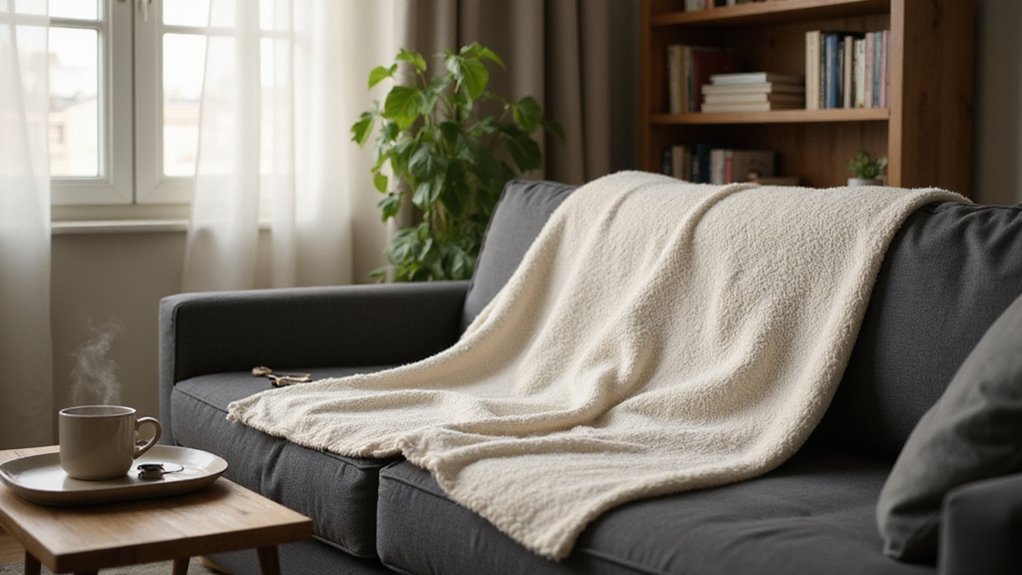
Heated throws and electric blankets serve different purposes and are designed for different situations. A heated throw is ideal for lounging on the sofa—you can drape it over your lap or shoulders for targeted warmth. Its portability allows you to move it easily from room to room, but this also means you need to be careful with cleaning. Spot cleaning or following the manufacturer’s instructions is best to avoid damaging the fabric or electrical components. An electric blanket, on the other hand, remains on your bed, providing consistent warmth throughout the night. Because of its heavier construction and internal wiring, it requires gentle care and should not be tossed in the washing machine. For regular use, the lighter fabric of a heated throw may wear out faster, whereas the sturdy build of an electric blanket is designed to withstand frequent bedding friction. When using an electric blanket, ensure it fits properly on your mattress, noting that a queen size mattress measures 60 inches wide by 80 inches long. For larger beds like a California king, electric blankets are specifically sized to accommodate the extra length of 72 inches by 84 inches. Choose based on where you want your warmth—on the sofa or in bed. For those who prefer a tailored solution, consider DIY closet organizer ideas to store your heated throw or blanket neatly when not in use.
Heated Throw vs. Electric Blanket: Which Size Matches Your Space?
Heated throws typically measure around 50 by 60 inches, making them ideal for personal use in small spaces. This size allows you to drape the throw over your shoulders or across your lap while relaxing on the sofa or in a home office. They serve as decorative accents, enhancing the aesthetic of your furniture without taking up too much room. Because of their compact size, heated throws are portable and easy to store when not in use, providing targeted warmth where you need it most. Their power consumption ranges from 50 to 150 watts, making them energy-efficient for supplemental heat. For a king-size bed, a box spring provides foundational support, but the electric blanket is the better option for comprehensive warmth. For optimal performance, consult a step-by-step approach to essential oil diffuser use for pairing scents with your heating routine. When installing any electric heating device, it is vital to follow the tools required for safe setup to avoid electrical hazards.
In contrast, electric blankets start at 38 by 75 inches for a twin bed and go up to 76 by 80 inches for a king. These larger sizes are designed for full-body coverage, placed under your fitted sheet to keep you warm from shoulders to feet. Electric blankets are bed-specific, and their dimensions align with standard mattress sizes, ensuring full coverage without excess material. They consume between 100 and 200 watts, depending on size and heat settings, which is slightly higher than throws due to their larger area. Use a throw for portable, focused warmth in sitting areas, and choose an electric blanket for comprehensive coverage of your bed.
Lounging or Sleeping? The Use-Case That Decides Your Purchase
If your priority is lounging or quick breaks, a heated throw is ideal. It offers targeted warmth you can easily move from room to room, perfect for activities like reading or watching TV. You’ll find that throw designs are influenced by fashion trends, so you can match them to your décor while staying cozy. For short sessions, such as a quick nap or a TV show, a throw heats up rapidly and uses less energy—about 8 pence per 8 hours. Seasonal changes also matter; a portable throw provides warmth during cooler spring or autumn evenings without the commitment of continuous heat.
However, if you need consistent warmth throughout the night, an electric blanket is the better choice. It offers full-body coverage for bed use, often with dual controls for couples. Electric blankets are more cost-effective for overnight warmth, typically costing around 6 pence per 8 hours. Your decision depends on whether you mainly lounge or sleep; a throw is suitable for on-the-go comfort, while a blanket delivers uninterrupted, deep warmth for sleeping.
Can You Take a Heated Throw From Room to Room?
Yes, you can easily move a heated throw from room to room. Because of its compact and lightweight design, it’s simple to carry from your living room to your office or even outside on the patio. There’s no need to worry about bulky blankets or complicated setups. Just grab your throw, pick up the handheld controller, and you’re ready to go wherever you want to stay warm. Its portability means you can enjoy cozy heat exactly where you need it, without the hassle. Plus, safety features like overheating protection ensure secure transportation between spaces. Fold it up, carry it along, and stay comfortably warm in any part of your home or outdoor area. For permanent installations, you must first locate the wall studs to securely support a rod.
How Much Does Each Cost to Buy and Run?
The upfront cost of a heated throw ranges roughly from $35 to $199, making it a more affordable option compared to a full electric blanket, which typically costs between $55 and $469. The lower price point for throws means you can try out heated options without a significant initial investment. This affordability is especially appealing if you only need localized warmth or want a lightweight, portable option. For example, this price difference is similar to how down comforter alternatives can offer a lower upfront cost compared to traditional down options. Just as a duvet cover protects and extends the life of a comforter, a heated throw offers a simple, low-cost way to add warmth without replacing your entire bedding. Unlike a ceiling light, the brightness of which depends on lumens and placement, a heated throw’s warmth is purely about wattage and proximity.
Running these devices is inexpensive, costing just a few cents per hour. A heated throw generally uses between 50 to 100 watts, which translates to about 2.5 to 5 cents per hour of use. If you operate it for eight hours per night, the daily expense is approximately 20 to 40 cents, totaling around £6.65 monthly in the UK. Higher-end blankets with wattages around 70 watts still consume very little power, costing about 1.9p per hour.
Compared to room heating, which can cost about 54p per hour, heated throws can save you up to 95% on energy costs. While upfront prices favor heated throws, the long-term running expenses are quite similar across different heating options if used for similar durations.
Wattage and Energy Use: Which Is Cheaper Per Use?
Heated throws and electric blankets generally cost around 3 to 5 cents per hour to operate, making their per-use expenses quite comparable. Heated throws typically run between 50 and 100 watts, while electric blankets use about 100 to 150 watts. This means both options are significantly cheaper than a 1,500-watt space heater, which can cost over $2.50 per hour. Warming yourself directly with these products can save up to 98% of the energy you would otherwise use to heat an entire room. However, cord length affects how conveniently you can use them. Short cords limit placement near outlets, reducing flexibility. Longer cords, or opting for wireless portable models, provide more freedom to sit or lie comfortably away from power sources. A standard king mattress measures 76 inches wide, which is helpful to know if you are covering a large bed. Ultimately, cost per use is similar for both options, so your decision may hinge more on cord reach and personal mobility needs.
Safety Features That Differ Between Heated Throws and Electric Blankets
Heated throws generally feature shorter auto-shutoff timers, typically between 10 and 20 minutes, to prevent prolonged heat exposure and reduce the risk of overheating. Electric blankets, designed for overnight use, may have longer or adjustable timers but must meet stricter insulation standards to ensure safety during extended periods of use. Always inspect both devices for cable damage, such as frayed wires or burn marks, before each use; damage means you should stop immediately. Material durability is especially important for throws because they are often used directly against the skin, increasing burn risk if the textile layer is compromised. Warranty coverage differs as well: electric blankets often come with longer warranties due to integrated safety controls, whereas throws tend to prioritize portability over extended guarantees. Verify that either device meets safety certifications like CE or ETL, and avoid exceeding 30 minutes of continuous use to minimize fire hazards. Never place heavy objects on the devices, as this can damage internal wiring and compromise safety. For those using a throw on a smaller sleeping surface, A twin mattress lacks the safety timers and insulation standards required for overnight electric blanket use, making heated throws a preferable choice for warming a smaller sleeping surface. Bed frames and platforms typically require no such electrical safety considerations, but their structural support can affect overall comfort during sleep. When comparing overall dimensions, a cal king mattress offers a narrower width but greater length than a standard king, which influences how a heated throw or blanket fits the bed.
What to Look for in Heating Wires and Fabric
When evaluating a heated throw or blanket, the quality of the heating wires and fabric is crucial for both comfort and safety. Look for thin, insulated conductors woven flat to avoid feeling bumps while lounging. Proper thermal insulation within the wire lining prevents direct contact between metal and skin, ensuring gentle, consistent heat suitable for overnight use. Check the wattage—most standard blankets operate between 100 and 150 watts, which offers efficient heating; such throws typically cost around 8p per 8-hour session. Assess the fabric’s durability by examining textures like sherpa or bamboo, which should feel soft without pilling or fraying over time. Unlike a vanity desk designed for daily grooming routines, a heated throw prioritizes warmth and relaxation over storage space. For added pressure and comfort during use, some users prefer the distributed weight of a weighted blanket combined with heat. Regularly inspect the cords, laying the blanket flat and ensuring wires are not frayed or causing uneven heat distribution. Combining high-quality materials with insulated wiring guarantees lasting comfort while maintaining safety standards. Always refer to the manufacturer’s instructions for gentle washing cycles to avoid damaging the delicate wiring during cleaning.
Why Machine-Washable Models Save You Time and Effort
Removing the controller and unplugging the blanket is essential before washing. This step protects the wires from damage and prevents electrical issues during the cycle. Once disconnected, you can wash the blanket directly in a washing machine on a gentle, low-spin cycle using cold water and mild detergent, following the machine washable guidelines. This method ensures thorough cleaning while minimizing wear and tear. For a similar approach to organizing your home, you can apply budget-friendly tips to build simple closet storage.
You can air-dry the blanket or tumble dry it on low heat, which helps maintain its softness and prolongs its lifespan. This straightforward process allows you to keep your blanket hygienic and in good condition without hand-washing, saving you time and effort over the long term.
A Quick Decision Matrix: Heated Throw vs. Electric Blanket
Heated blankets generally provide larger sizes that fit your entire bed, available in Twin, Full, Queen, or King dimensions. Heated throws are smaller at about 50 by 60 inches, making them ideal for one-person lounging or personal use on sofas and chairs. If your goal is full-bed coverage, a blanket is the better choice. For portable warmth during relaxing or movie nights, a throw offers more flexibility and easy handling. For those seeking full-bed coverage without the hassle of portability, a heated pad for mattress offers an alternative specifically designed for consistent, tailored warmth under your bottom sheet. For a versatile lounging solution, a daybed with a trundle provides extra sleeping space similar to the coverage options of a blanket.
In terms of usage, throws are perfect for portability and quick warmth on couches, while blankets are designed for continuous, all-night heat tucked into your bedding. Throws are lightweight and easy to carry around, whereas blankets tend to stay in one place, providing consistent warmth through the night.
Energy consumption ranges from 50 to 150 watts for throws, and 100 to 200 watts for blankets. Both cost about a penny per hour to operate, so energy efficiency is comparable. If conserving electricity matters to you, either option will be reasonably economical.
Control features differ: throws typically have basic settings, often just low and high heat. Electric blankets usually include dual-zone controls, allowing separate temperature adjustments for each side of the bed, and preheat functions for added convenience. These controls influence your comfort and convenience significantly.
Price varies widely. Heated throws can cost between $35 and $199, offering budget-friendly options with decent quality. Electric blankets range from around $55 up to $469 for high-end models with advanced features. Consider your budget and desired features when choosing between the two to find the best fit for your needs.