Wondering if your space heater is costing you a lot in electricity?
A typical 1,500-watt heater uses about 1.5 kilowatt-hours per hour, which can quickly add up if you run it for hours each day.
Choosing a lower setting or shorter usage can make a noticeable difference in your bill.
Keep reading to see exactly what that cost looks like and how to manage it.
How Much Electricity Does a Space Heater Actually Use?
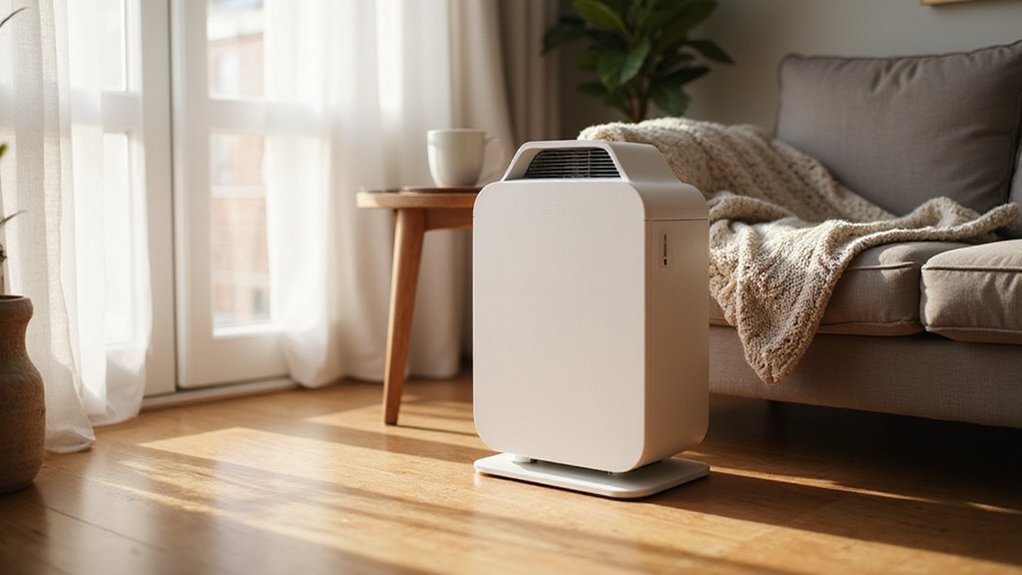
A typical space heater uses between 750 and 1,500 watts of power, with the most common home units hitting that 1,500-watt mark. At this wattage, the heater consumes 1.5 kilowatt-hours (kWh) of electricity per hour of operation. Running a 1,500-watt heater for eight hours daily results in a consumption of about 12 kWh per day, or up to 360 kWh in a month. This high energy use significantly impacts your electricity bill, which is why energy-efficient upgrades like better insulation are essential to reduce waste. Additionally, using zone heating—warming only the room you’re in—can help cut your overall consumption. For comparison, a 1,000-watt heater consumes 1 kWh per hour and costs roughly $42 monthly, depending on local energy rates. Your actual energy usage depends on the heater’s wattage, how long you run it each day, and your local electricity rates, so targeted use makes a noticeable difference. For example, a queen mattress fits a typical bedroom layout, so knowing its dimensions helps you plan efficient heating placement. Similarly, a window air conditioner requires proper installation to avoid air leaks that waste energy, much like a heater’s efficiency depends on sealing drafts. When choosing a workspace near the heater, a vanity and desk differ in comfort and cost, affecting how you balance heat distribution and productivity.
What Size Space Heater Do You Need for Your Room?
To find the right size space heater for your room, start by calculating the square footage—multiply the length by the width. For example, a 150-square-foot room requires about 1,500 watts of heating power. A general guideline is to use 10 watts per square foot, but you should adjust this based on your home’s insulation. Poorly insulated rooms need roughly 10 percent more wattage, while highly insulated spaces can get by with about 7.5 watts per square foot. If your ceilings are higher than standard 8 feet, add about 25 percent more wattage to compensate for the increased volume. Choosing a heater that matches these calculations helps optimize thermostat settings and energy efficiency, preventing unnecessary electricity use. In colder climates, the heating requirement may increase to as much as 40 BTUs per square foot to maintain comfort. For those who also appreciate quality home accessories, a vanity mirror with adjustable lighting can help you manage your morning routine while the heater warms the room. For variable heating needs, consider using a 3-way light bulb which offers multiple brightness levels to adjust power consumption as desired. Before installation, ensure your closet rod is securely mounted to safely support the heater’s cord and avoid accidental dislodging.
Daily and Monthly Costs of Space Heater Electricity Use
Running a 1,500-watt space heater on high for 8 hours each day costs approximately $1.92 daily. Over a typical month, this adds up to around $43 to $48, depending on your usage and local electricity rates. If you lower the heater to a 750-watt setting, your costs roughly halve, averaging about $18 per month. To keep expenses manageable, consider using a timer to limit operation time and only heat occupied spaces. Always follow safety precautions by keeping the heater away from flammable materials and never leaving it unattended. This not only protects your home but also helps prevent unnecessary electricity costs. Using the formula for cost calculation, your electricity rate per kWh directly determines the hourly expense. For a more permanent solution, consider investing in a dedicated makeup station that eliminates the need for portable heating near your vanity. Applying similar care to your linens, gentle washing methods will keep weighted blankets fresh and safe for years.
Is a Space Heater Cheaper Than Heating the Whole House?
A space heater is generally cheaper than heating the whole house only if you heat less than about a third of your home’s area. For example, using a 1,500-watt space heater for four hours daily costs roughly $1 to $1.50, compared to central heating which can cost $3 to $5 during the same period. If you need to run the heater for six or more hours each day, central heating often becomes more cost-effective. Keep safety considerations in mind: never leave space heaters unattended or use multiple units in different rooms simultaneously, as this can negate any savings. For targeted warmth in a small area, a space heater can be a budget-friendly choice, but for heating your entire home, central heating typically remains more economical. For consistent comfort, using a hybrid mattress can help retain body heat and reduce the need for extra heating in your bedroom.
How to Use a Space Heater Without Waste
To use a space heater efficiently, select a model with wattage appropriate for your room size. Use the rule of 10 watts per square foot to determine the right size—this helps prevent energy waste while providing sufficient warmth. Set the thermostat to the lowest comfortable temperature to save energy, and activate the timer to operate the heater only when necessary.
Place the heater on a hard, level surface at least three feet away from any flammable materials. Never use an extension cord; plug the heater directly into a wall outlet to avoid fire hazards. Turn the heater off when leaving the room and unplug it when not in use to minimize risks and save power. Avoid running the heater overnight; instead, preheat the room and then switch to blankets or other insulation. Regularly clean the heater to maintain efficiency, and inspect the power cord for damage to ensure safe operation. Consider battery-operated string lights for supplemental illumination as they require no outlet and pose no fire risk near the heater.