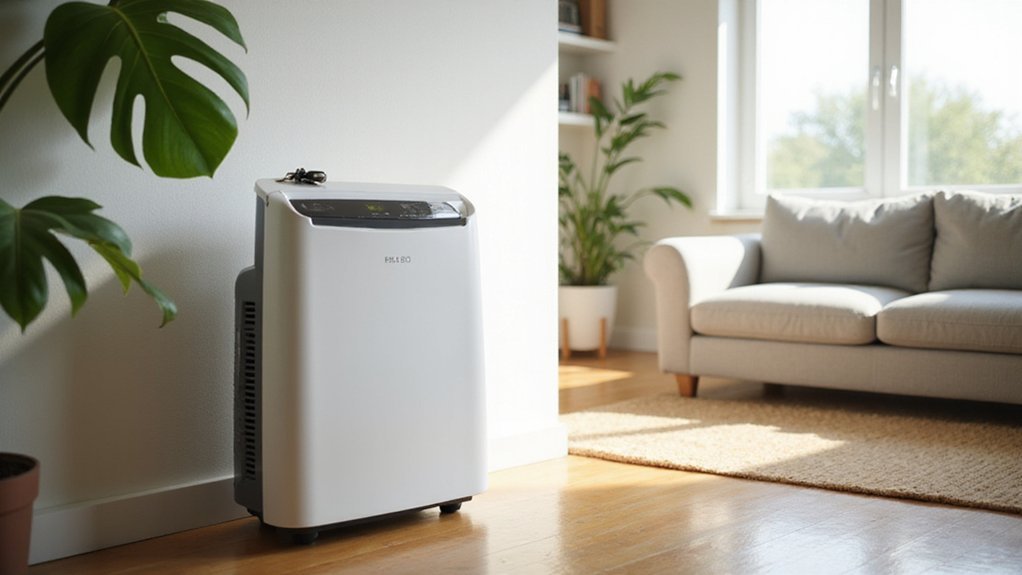
Struggling with dampness or musty odors in your home? A dehumidifier can help by removing excess moisture from the air, making your space healthier and more comfortable.
Essentially, it pulls humidity down below 50 percent, which stops mold, mildew, and dust mites from thriving.
Keep reading to learn how to choose, place, and care for one.
Why You Need a Dehumidifier in Your Home
A dehumidifier is essential in your home because it helps control excess moisture that can lead to various problems. High humidity creates an environment where mold spores can grow, which can trigger asthma and allergic reactions. Dust mites thrive in damp conditions, increasing allergen levels and potentially worsening respiratory issues. Musty odors, often caused by mold and mildew, are kept at bay, maintaining a fresher indoor air quality. For items like weighted blankets, excess dampness can make washing and drying them safely more challenging.
It also protects your home’s structure and furnishings. Dampness can cause wooden furniture to warp and paint on walls to peel, leading to costly repairs. Rising damp can damage walls from the ground up, but a dehumidifier helps prevent this. Additionally, it speeds up laundry drying by reducing moisture in the air, saving time and energy. A dehumidifier also helps preserve bedding, as moisture can cause mattress materials to degrade, so knowing the queen mattress size is important for selecting the right protective cover.
A stylish, compact unit can blend seamlessly with your decor, so you don’t have to sacrifice aesthetics for function. Beyond comfort and appearance, using a dehumidifier also discourages pests like silverfish and cockroaches, which are attracted to humid environments. Overall, a dehumidifier provides a practical solution to keep your home healthier, more comfortable, and protected from moisture-related damage.
How a Dehumidifier Works
A dehumidifier works by removing moisture from the air through a refrigeration cycle. First, a fan draws warm, humid air into the unit. Before cooling, the air passes through a high-efficiency filter that traps dust and debris. Next, the air encounters a cold evaporator coil, which is much colder than the surrounding air. This temperature difference causes the moisture in the air to condense into liquid water, which then drips into a collection bucket or drains away via a hose. This process protects items like books and furniture from moisture damage. For example, using a dehumidifier can help preserve the integrity of textiles and fabrics, much like how a silk pillowcase protects hair and skin from friction. Proper installation of this type of cooling equipment often requires checking window alignment to ensure a secure fit. Unlike an air purifier, a dehumidifier focuses solely on humidity control rather than removing airborne particles like pollen or dust.
After the moisture is removed, the air is reheated as it passes over warm condenser coils, making it slightly warmer and drier before exiting the unit into your room. You control the device with humidity settings, typically aiming for a level between 30% and 60%. When the desired humidity level is reached, the dehumidifier automatically switches off. It also shuts off if the collection bucket becomes full, preventing overflow and ensuring hassle-free operation.
Dehumidifier Health Benefits: Relieve Asthma and Reduce Allergens
Lowering indoor humidity to between 45% and 50% significantly reduces the presence of allergens like dust mites and mold spores, which need moisture to thrive. This targeted humidity level helps eliminate the damp conditions that these pests rely on, leading to a noticeable decrease in allergen circulation. As a result, your indoor air becomes cleaner, making it easier to breathe and reducing wheezing episodes. Controlling humidity also soothes irritated skin by minimizing irritants that can cause skin flare-ups. While it doesn’t eliminate all triggers, maintaining this humidity range can substantially reduce dust mite populations and mold growth, leading to fewer asthma attacks and less sneezing. For those considering their bedding choices, the same principle of environmental control applies, as a duvet offers a different level of breathability and moisture regulation compared to a comforter. Choosing a breathable comforter can further assist in managing moisture levels near your sleep environment. Keeping your home’s humidity in this optimal range makes breathing easier and contributes to overall better health every day, much like proper vaulted ceiling lighting design ensures even illumination without harsh shadows.
Stop Mold, Mildew, and Structural Damage
Focusing on surface drying is essential to prevent mildew from settling on walls and furniture. After cleaning mold, drying surfaces thoroughly halts spore regrowth and limits their spread. Excess moisture can rot wood, weaken drywall, and cause paint to peel, so keeping surfaces dry is critical. Consistently lowering indoor humidity below 50 percent helps protect your home’s structure and reduces favorable conditions for mold growth. Using a humidifier with distilled or demineralized water prevents mineral dust that can coat surfaces and interfere with drying efforts. Air purifiers can also help by capturing airborne mold spores, but they do not address existing surface moisture issues. Properly positioning the unit for continuous drainage ensures the dehumidifier runs efficiently without overflow interruptions.
Using dehumidifiers is an effective way to control moisture levels, but remember they do not eliminate existing mold colonies. Professional remediation is necessary to fully remove mold that has already taken hold. Dehumidifiers work best when used regularly, particularly in high-humidity areas, to prevent moisture from accumulating. Always ensure surfaces are completely dry after cleaning to prevent mildew and mold from returning.
Eliminate Musty Odors and Improve Air Quality
Once you start running the dehumidifier continuously, you’ll notice odor reduction within 24 hours. Setting your target humidity to 45–50% relative humidity (RH) speeds up the process, helping musty smells to fade after 48 to 72 hours. Keep the unit operating during this initial period to allow surfaces to dry out completely, which is crucial for effective odor elimination.
For optimal air quality, position the unit close to the humidity source, such as a basement or damp corner. Make sure to close doors and windows to prevent moist air from entering. Opening wardrobes and cabinets helps improve airflow and drying. Regularly clean the air filters to ensure your device continues filtering out mold spores and other airborne particles effectively.
Save Energy With a Whole-Home Dehumidifier
Proper installation is key to maximizing your dehumidifier’s performance. Ensure the unit is properly sized for the space—an undersized model won’t lower humidity effectively, while an oversized one wastes energy. Tighten all ductwork to prevent leaks and improve efficiency. Run your dehumidifier during the most humid parts of the day or when you’re away to keep moisture levels steady. Regularly clean coils and filters to prevent dust buildup that can hinder operation. Additionally, reducing your air conditioning use by just one hour each day can save around $20 daily and help extend the life of your system. Unlike the ultrasonic vs. evaporative differences in humidifiers, which affect cost and comfort, dehumidifiers focus solely on removing excess moisture.