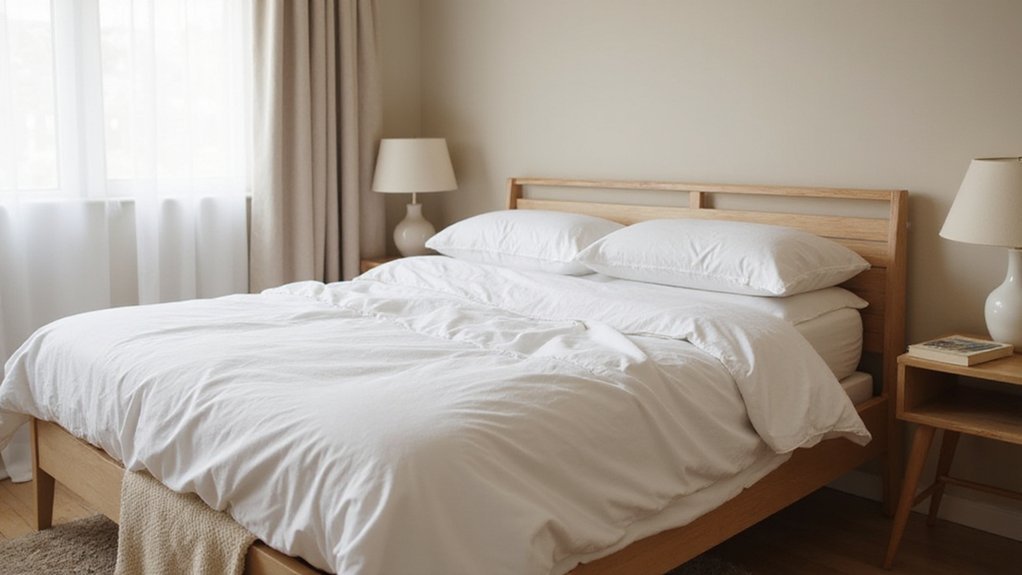
Deciding between a Full and Queen mattress can feel like a small choice with big implications. The main difference is that a Queen offers about five extra inches of length and six inches of width, giving you more space to stretch out or share comfortably.
Understanding these size differences can help you pick the right fit for your room and lifestyle.
Below, you’ll find all the details to make an informed decision.
Full Vs. Queen Mattress: Which Size Fits You?
A full mattress measures 54 inches wide by 75 inches long, making it a good choice for solo sleepers or smaller rooms. It provides 27 inches of personal width, offering enough space for most singles or teens. However, if you are taller than about six feet, you might find the 75-inch length restrictive. For those with compact spaces, a queen mattress may be a better fit due to its 60 inches wide by 80 inches long** dimensions. A queen mattress adds 6 inches in width and 5 inches in length, coming in at 60 inches wide by 80 inches long. This extra space allows each person around 30 inches of width, which is more comfortable for couples, those sharing with kids, or pets. The additional length makes it suitable for taller individuals, reducing the risk of feeling cramped. When considering additional comfort features, many people pair queen-sized beds with electric blankets to ensure even warmth across the larger sleeping surface. Proper positioning of the bed near a window can simplify the installation of a window air conditioner** for better climate control.
Choosing between these sizes depends on your room size and whether you share the bed. A full mattress is compact but may feel crowded for a couple or tall sleepers. A queen provides more room to stretch out, improves sleep quality by minimizing motion transfer, and makes bed maintenance like rotating or cleaning easier.
Sleeping Space Per Person: Full Vs. Queen
A queen mattress offers 30 inches of width per person, compared to just 27 inches on a full. That extra three inches can significantly enhance your comfort by providing more personal space, reducing the likelihood of feeling cramped. The overall surface area of a queen also increases by about 750 square inches, giving you more room to move during sleep. Additionally, with a length of 80 inches versus 75 inches for a full, a queen accommodates taller sleepers better and helps prevent cramped legs. The choice of mattress material can influence how spacious it feels—firmer options often feel roomier because they reduce sinkage. Bed platforms typically cost less than frames with a headboard and footboard, making them a budget-friendly choice. Finally, some mattress warranties specify a minimum size of queen for certain support features, making it a practical upgrade for couples seeking more comfort.
Which Size Fits Your Bedroom?
A full mattress fits best in bedrooms smaller than 10×10 feet, with 9×10 feet being ideal. Since a full requires roughly 54 inches by 75 inches of space, it allows for comfortable movement and some clearance around the bed. In a space of this size, a full maximizes sleeping area without overcrowding.
A queen, measuring around 60 inches by 80 inches, needs at least 10×12 feet to accommodate its size comfortably. This extra room ensures you have 24-inch walkways on either side, making movement easier and the room less cramped. If your room is exactly 10×10 feet, a queen becomes a tight fit, and you’ll need to consider how much clearance you prefer for walking and access. Make sure your bed frame is compatible with these dimensions to avoid surprises during setup.
When ordering, note that queen-sized mattresses are larger and may be more challenging to maneuver through hallways or stairs, especially if your home has tight corners or narrow entryways. For smaller spaces or single sleepers, a full mattress can save valuable space. For couples seeking long-term comfort or extra room to stretch, a queen offers more space but requires a proportionally larger footprint. Let your room’s size and your needs guide your decision. Understanding that a twin mattress is 38 inches wide and 75 inches long helps put these larger sizes in perspective for your bedroom layout.
Additionally, consider that LED bulb lifespan means you can install long-lasting lighting fixtures around your bed without worrying about frequent bulb changes. A sham pillowcase can coordinate with your bedding to complete the cozy look.
How Surface Area Affects Cuddlers Vs. Sprawlers
A full mattress offers 4,050 square inches of sleeping area, while a queen provides 4,800 square inches—an extra 750 square inches or about 18% more space. This additional surface area significantly impacts your sleeping style. If you are someone who craves constant contact, the narrower 27-inch width of a full mattress means you and your partner must overlap substantially, which can feel cramped but allows close cuddling. The queen’s wider space allows for easier cuddling without full-body overlap, giving you room to get cozy without sacrificing breathability. Just as visible ceiling light depends on factors like fixture height and room dimensions, the practical space difference between these mattresses determines comfort for different sleeping styles. For sprawlers who need personal space to stretch out, the full mattress can feel restrictive, especially in terms of leg movement. The queen offers approximately 30 inches per person, making it ideal for sharing space while maintaining comfort. It enables you to stretch out freely, move without elbowing your partner, and maintain a balance between intimacy and personal space.
Full or Queen: Which Is Better for Couples?
A queen mattress is the better choice for most couples. It provides 60 inches of width, offering about 30 inches per person, which aligns with sleep experts’ minimum recommendations. In comparison, a full mattress gives only 54 inches total, or 27 inches per person, which can feel cramped for everyday use. The extra space on a queen helps prevent disturbances if you move in your sleep, stretch out, or share the bed with a pet. It also lasts longer over time because less crowding leads to more even wear across the mattress. Maintenance stays manageable since a properly sized bed for two requires less frequent rotation to maintain support. Active sleepers, or those sharing the bed with movement-prone partners, will find a full mattress unlikely to provide long-term comfort and support. When choosing between mattress types like hybrid and memory foam, consider that a queen’s extra width better accommodates motion isolation needs for couples. Upgrading to a queen now can save you the hassle of switching later.
Price and Weight Differences
Queen mattresses typically cost about $200 more than full mattresses. While the price difference isn’t huge, it reflects the larger size and additional materials involved. For mid-range models, expect to pay around $1,100 for a queen versus $900 for a full. The gap widens with premium options, where queens can be over $300 more expensive. Material choices like denser foams or hybrid constructions also influence costs for both sizes. Since a queen mattress offers greater surface area, it can better accommodate couples or those who prefer extra space for sleeping. Using proper sweater hangers can help protect your mattress from stretching or sagging during storage. For those seeking a vanity with lit mirror for their bedroom, the extra surface area of a queen mattress also allows for a more spacious dressing area setup.
Weight differences follow a similar pattern. Queens cover approximately 4,800 square inches, compared to 4,050 square inches for fulls, making queens heavier. Most queens weigh between 100 and 110 pounds, while fulls typically range from 80 to 90 pounds. The extra weight means moving or setting up a queen mattress often requires two people, whereas a full is generally manageable alone.
What Taller Sleepers and Parents Should Know
Taller sleepers and parents sharing a bed will find the queen size particularly beneficial. If you are over 6’2”, the queen’s 80-inch length prevents your feet from hanging off the edge, so you don’t have to curl up during the night. This extra 5 inches can also ease medical concerns like spinal alignment, making it easier to maintain a comfortable sleeping posture. For parents, the queen’s 60-inch width provides approximately 30 inches of personal space per adult, compared to just 26.5 inches on a full. This additional space helps prevent crowding when a child joins, reducing the risk of falls. Maintenance is also simpler with a queen mattress, as it fits standard sheet and topper sizes more readily than a full, avoiding the hassle of custom fittings. This ease of finding compatible bedding is similar to choosing between percale and sateen sheets, each offering different advantages for comfort and everyday use. In a room measuring 10 by 12 feet, a queen fits comfortably without crowding the space. However, if your room is smaller, it’s important to measure carefully to ensure enough clearance for easy movement around the bed. For couples, a queen can be a more cost-effective choice than a king, often balancing price with enough sleeping area for two people. A king-size washing machine is necessary to properly clean a king comforter at home.
Why Full Mattresses Excel in Guest Rooms
Full mattresses measure 54 inches wide and 75 inches long. This size offers a good balance of comfort and space efficiency in guest rooms. Their compact footprint saves valuable floor space, making them ideal for smaller rooms. With a narrower and shorter profile than a queen, a full bed allows for about three feet of clearance on each side—enough for easy movement and better room flow. For single adult guests, the 54-inch width provides ample support for up to 300 pounds without overcrowding the space. Unlike a California king, which is longer and narrower, the full bed’s dimensions prioritize space efficiency for compact guest rooms. To further improve air quality in the room, consider that air purifiers effectively capture dust and allergens, complementing the mattress’s practicality. For a budget-friendly window covering, DIY roller blinds can be made using simple materials like fabric and a tension rod.
Choosing the right mattress material simplifies your decision; medium-firm feels are adaptable to most preferences and promote comfort for a variety of sleepers. The typical thickness of 8 to 10 inches suits adult comfort needs without wasting space. Full-size bed frames are usually more affordable and easier to fit into tighter areas, helping you stay within your budget for additional guest room upgrades like mattress protectors. Overall, a full mattress provides a practical, cost-effective solution that maximizes comfort without sacrificing room space.
The Last Thing to Check Before You Buy
Before purchasing a full-size mattress, the first thing to check is the return policy and trial period. Most companies offer at least 100 nights to test it out, but hidden fees can pop up, so read the fine print carefully. During the trial, conduct spine alignment tests by lying down in your natural sleeping position. Slide a hand under your lower back: no space indicates the mattress is too soft, while ample space suggests it is too firm. A straight line from your spine to your knees shows proper support. Consider how lamp and table choices impact your room’s lighting and surface space for daily comfort.
Next, compare prices thoroughly. Check the manufacturer’s suggested retail price against retailer offers to ensure you’re getting the best deal. Trustworthiness matters—visit BBB.org to verify the retailer’s reputation. Then, inspect the material durability by lifting the mattress; it should feel solid and well-constructed. Look for CertiPUR-US certified foam and well-stitched covers for longevity. Understand the warranty details and ask about coil gauge specifications if it has coils. Also, consider the mattress’s average lifespan of around 8 years, regardless of comfort, to gauge long-term value. Finally, test the mattress in-store for at least 15 minutes with everyone who will sleep on it—wear comfortable clothes, remove shoes, and check shoulder and hip comfort to make sure it meets your needs before making the final purchase.