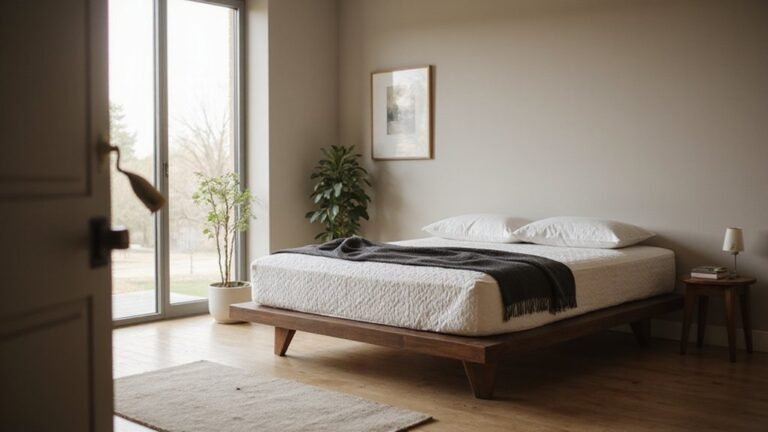

If you’re wondering about the size of a full mattress, it’s typically 53 inches wide and 75 inches long, with some variations hitting 54 inches in width.
This size gives one person more space compared to a twin, but for couples, it can feel a bit snug.
Knowing these dimensions helps you figure out if it fits your room and lifestyle.
Keep reading for all the essentials.
A Full Mattress Is 53 X 75 Inches: Here’s What That Means
A full mattress measures exactly 53 inches wide by 75 inches long. The one-inch difference sometimes seen, listing it at 54 inches, is just a rounding variation in industry standards and doesn’t affect the actual size. This mattress size provides a good balance for single adults who want extra space without the larger footprint of a queen. Standard bed frames typically range from 56 to 59 inches in width, so your full mattress will fit without any issues. Since the length remains consistent at 75 inches, you won’t need special sheets or oversized foundations. For those interested in custom bedding, you can use DIY pillowcase tips to create a perfect fit for your mattress. For comparison, a queen mattress is wider and longer, offering more room for couples or those who prefer extra space. If you’re sharing, a full offers about 27 inches of space per person, but it’s primarily suited for a single sleeper who wants room to stretch. Just make sure your bed frame matches the 53-inch width, and you’ll have a comfortable, budget-friendly sleeping setup. Selecting a top-rated box spring can further enhance mattress support and longevity.
How Wide and Long Is a Full Mattress: and Does It Vary?
A full mattress typically measures 53 inches wide by 75 inches long, though there can be slight variations depending on the brand or region. Some manufacturers list the width as 54 inches, and in the U.S. and Canada, the standard dimensions according to ISPA are actually 53.5 inches by 74.5 inches. These small differences do not affect mattress durability but might influence bedding compatibility; fitted sheets should still fit well, but it’s best to check for a snug fit. Just as with a window AC unit, measuring your space is crucial to ensure a proper fit and avoid common installation errors.
If you are taller than 6 feet, the 75-inch length may not be sufficient, leaving your feet hanging off the edge. For two sleepers, each person has only about 26.5 inches of width, which can feel quite tight for comfort. Always measure your room beforehand to ensure you have enough space for walking around and other furniture needs.
Full vs. Twin, Queen, and King: How the Size Compares
The full mattress measures 53 inches wide and 75 inches long. Compared to a twin, which is typically 38 inches wide and 75 inches long, the full provides an essential 15 inches of extra width—a notable upgrade for a growing teen or for anyone who wants more space to move. However, it offers the same length as a twin, so taller individuals might find it stretches only to a certain comfort limit. For those focused on their morning routine, checking top vanity mirrors with lights can help ensure a well-lit and enjoyable space.
When put next to a queen size, which generally measures 60 inches wide by 80 inches long, the full falls short in both width and length, with the queen offering 7 more inches across and 5 additional inches in length. A king size, measuring around 76 inches wide by 80 inches long, gives each sleeper roughly 38 inches of personal space, significantly more room than the full. The size difference makes a king ideal for couples or those who prioritize maximum sleeping space. If your room is tight, you might also compare this to choosing a vanity versus a desk to best match your available space and daily use.
How Much Personal Space Does a Full Mattress Give Each Sleeper?
Each person sharing a full mattress has about 27 inches of width. This is equivalent to the width of a standard baby crib and is considered the minimum for comfortable movement during sleep. Since you typically shift positions 40 to 60 times each night, less space can lead to frequent disturbances and discomfort. A pregnancy pillow can help contour to your body and create a personal sleep boundary, reducing the impact of limited space. Motion transfer becomes more noticeable in this tight fit, making it harder to sleep soundly and stay undisturbed by your partner’s movements. Choosing percalesheets with a crisp, breathable weave can help regulate temperature and improve comfort in a confined bed. In contrast, standard twin mattresses measure 38 inches wide, offering more individual space per sleeper when used singly. To improve comfort, consider separating your bedding into two lightweight blankets. This reduces bulk and allows for easier movement without tugging. For a cleaner look, a minimalist decor approach can keep the room feeling open. Opt for a high-quality mattress with motion-isolating materials to help minimize disturbances and enhance your overall sleep quality despite the limited space.
Is a Full Mattress Good for Couples or Just One Person?
A full mattress is generally not suitable for couples. It measures about 54 inches wide and 75 inches long, giving each person only around 26.5 to 27 inches of width. This narrower space often leads to disturbance if one partner moves during sleep, making it uncomfortable over time. It also feels cramped for anyone over 5 feet 10 inches or for those who move actively in their sleep. While it can work temporarily in small spaces or as a budget-friendly option, for long-term comfort and shared sleeping space, a queen or king mattress is a better choice. A full mattress is ideal for a single sleeper seeking affordability or compact dimensions.
What Room Size Do You Need for a Full Bed?
A room of at least 9 by 10 feet is necessary for a full bed to ensure basic placement without feeling cramped. For more comfortable movement, aim for a space that measures 10 feet by 11 feet or larger, especially if you plan to add a dresser or other furniture. You should have at least 24 inches of clearance on each side of the bed to allow for easy access, and 30 inches of walking space for main pathways. Rooms smaller than 10 by 10 feet tend to feel tight, so if space is limited, consider opting for a twin bed instead. Adding a queen mattress topper can also improve comfort without taking up extra floor space. Smart decorating ideas can help maximize the use of smaller rooms, such as mounting shelves instead of nightstands. Mattress protection is also key—using a fitted cover keeps your investment safe from spills and dust, which is particularly important in guest rooms or bedrooms for teenagers. Targeting a minimum of 120 square feet overall is ideal to avoid that cramped feeling and ensure comfort. Using a dehumidifier in the room can help maintain dry bedding conditions, preventing moisture buildup that could damage the mattress. For those on a tight budget, building a DIY bed frame can provide significant cost savings while ensuring the bed fits the room perfectly.
Full vs. Full XL: Which Length Is Right for Taller Sleepers?
A full XL mattress measures 54 inches wide by 80 inches long, providing an additional 5 inches of legroom compared to a standard full size. This extra length is essential if you are 6 feet tall or taller, as it prevents your feet from hanging off the edge and ensures proper sleep posture. While both sizes share the same width, the full XL costs more—typically around $489 versus $279 for the standard full. Choosing the full XL offers better support and comfort for taller sleepers without taking up much more floor space, making it the ideal choice for individuals who need extra length. For long-lasting freshness, washing on a gentle cycle helps maintain the mattress pad’s integrity. To complement this upgrade, consider selecting a ceiling fan with a blade span of at least 44 inches for a bedroom of this size, as recommended for optimal airflow and room proportion. However, be aware that a dehumidifier does not cool a room as effectively as an air conditioner.
What Should You Measure Before Buying a Full Mattress?
Before buying a full mattress, you need to measure your space carefully to ensure a proper fit. The standard full mattress measures 53 inches wide and 75 inches long. Your room should be at least 9.5 by 10.5 feet to comfortably accommodate the mattress and allow for movement. Aim for at least 24 inches of clearance on each side; this makes it easier to get in and out of bed and prevents the room from feeling cramped. If you are building a bedroom around your bed, consider using DIY closet system tips to maximize your storage space efficiently. When selecting bedside lamps, note that LED light bulb types vary in brightness and color temperature to match your room’s ambiance. You can further enhance your bedroom organization by following budget-friendly tips for building custom storage solutions.
Check that your bed frame matches the mattress dimensions, specifically the 53-inch width and 75-inch length. If you’re considering eco-friendly materials, be aware that they often add to the mattress’s height, which can range from 9 to 13 inches. Taller individuals should consider a full XL size, which extends the length to 80 inches for more comfort.
Also, consider your sleep style when choosing mattress firmness and support. Pair your mattress with a suitable foundation or base to prevent sagging and ensure longevity. Taking these measurements and considerations beforehand can save you time and frustration by avoiding mismatched or awkwardly fitting beds.