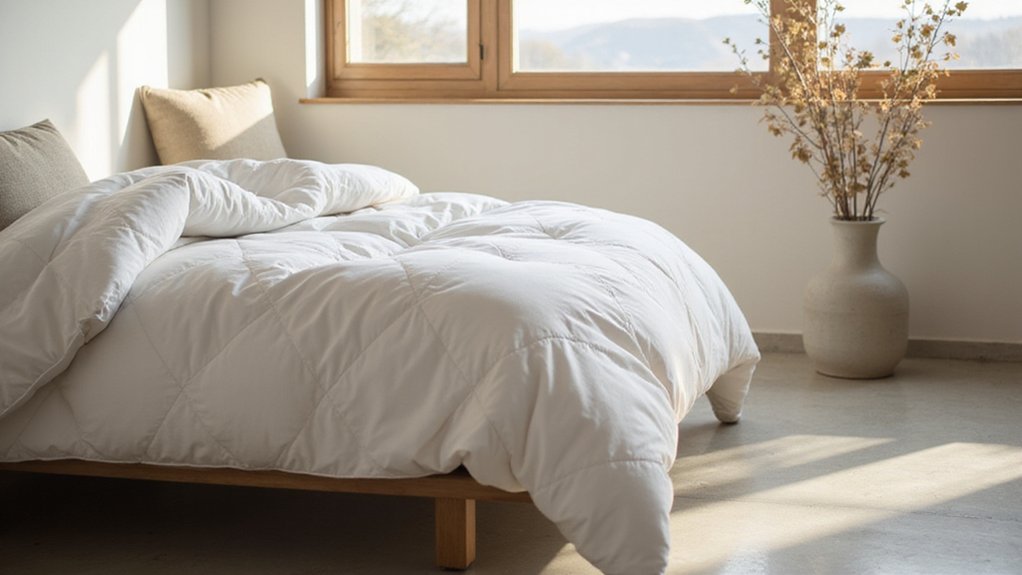
Ever wondered what a comforter truly is and how it’s different from other bedding? It’s a thick layer of bedding, usually filled with down, feathers, or synthetic fibers, designed to keep you warm and cozy.
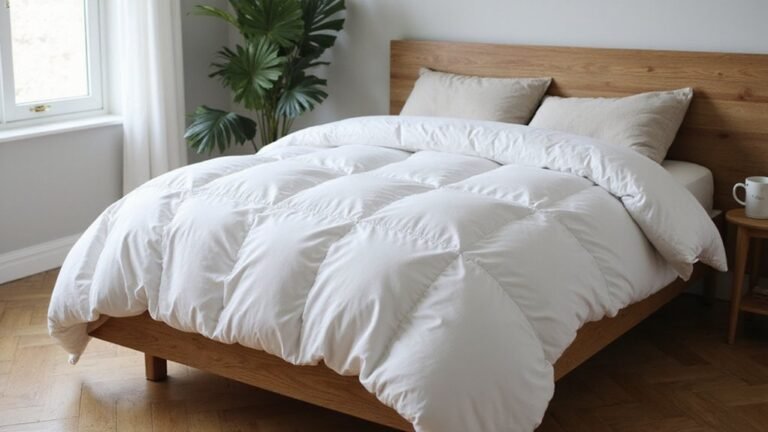
Unlike blankets, comforters are often quilted with compartments to keep the fill evenly distributed.
Keep reading to find out how to choose the perfect one for your sleep needs.
What Exactly Is a Comforter?
A comforter is a thick, single-piece bedding layer designed to provide warmth and coziness. It consists of a fabric shell filled with soft materials such as down, feathers, or polyester fiberfill. The outer shell determines its appearance and tactile feel, so choosing durable fabrics like sturdy cotton or silk can ensure it withstands regular use without tearing.
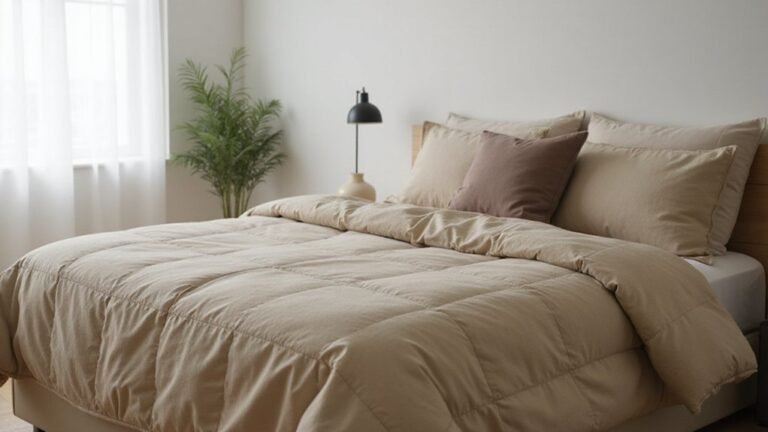
Most comforters feature box-quilting with stitched patterns that keep the fill evenly distributed, preventing lumps from forming after nights of sleep. You’ll find different weights to match seasonal needs—lighter polyester fills are suitable for warmer months, while denser options like down or wool offer insulation during cold weather. When choosing a comforter for your bed, you should also consider queen mattress dimensions to ensure proper fit without overhang.
Unlike a blanket, a comforter is thicker and fluffier, usually placed over a flat sheet on your bed. It doesn’t require a separate cover, as it comes ready to use straight out of the package. With its plush design and variety of fillings, the comforter adds both warmth and aesthetic appeal to your bedroom. For those focused on air quality in the bedroom, an air purifier can complement the comforter by removing dust and allergens that settle on bedding. This design contrasts with a duvet coverlet, which typically uses a removable cover to protect the inner filling.
Where Did the Word “Comforter” Originate?
The word “comforter” originates from Dutch influence. The Dutch term *komfoor*, which refers to a vessel used for keeping things warm, likely blended with the English language. By the 1830s, this transition was complete, and the word came to denote a quilted bed cover that offers tangible warmth. So, the modern comforter you curl up under isn’t merely linked to the idea of “strength.” It’s also a borrowing from a Dutch word associated with a heater. When choosing bedding accessories, consider how a warm mist humidifier can add both comfort and humidity to your bedroom environment. Keeping your bedding fresh and clean can be complemented by using safe humidifier cleaning tips to maintain a healthy indoor environment. If you are considering a larger bedding upgrade, remember that Cal King vs King dimensions significantly affect the fit and feel of your comforter.
Comforter vs. Duvet vs. Quilt: What’s the Difference?
A comforter is a single, all-in-one bedding piece with a built-in decorative pattern, ready to use right out of the bag. It is typically thick and filled with down, synthetic fibers, or other insulating materials, providing a cozy layer for warmth. Comforters are designed for convenience, requiring no additional covers, but they can be washed as a whole unit, which might mean more frequent laundry sessions. Compared to quilts and duvets, comforters are less breathable due to their dense construction. For those with a down-filled comforter, following a safe washing guide can help maintain its loft and longevity. Because they are sewn shut, comforters often require careful drying techniques to prevent clumping of the filling.
In contrast, a duvet needs a separate washable cover called a duvet cover. The duvet insert is usually lightweight and can be swapped out to change style or season without buying new bedding. Duvets often offer superior warmth because you can layer different inserts or thicker fills inside the cover, making them versatile for varying temperatures. This setup also makes duvets easier to clean since only the cover is typically washed.
A quilt is flatter and thinner, with less filling—often just batting—stitched in decorative patterns. Quilts tend to be lightweight and breathable, making them suitable for warmer weather or layered under other bedding. They usually have a smooth, flat profile and are easy to care for, as they can often be machine washed without removing a cover.
What Materials Fill a Comforter?
The materials that fill a comforter vary widely, each offering different benefits for warmth, breathability, and feel. Natural options include cotton, which provides soft, breathable comfort, making it suitable for those who prioritize natural fibers. Shredded cotton offers a more affordable way to add warmth without sacrificing comfort. Wool is excellent for moisture-wicking and retaining heat throughout the year, making it versatile in different climates. Silk fills are lightweight and temperature-regulating, perfect for warm weather or those who want a luxurious feel. Bamboo viscose is an eco-friendly choice, providing soft, breathable insulation with a focus on sustainability. For a handmade alternative, many crafters use chunky blanket techniques to create a heavy, warm comforter-like layer at home. The key factors that determine whether ceiling light can be seen include light fixture placement and ceiling texture. Using a humidifier in the bedroom can help maintain the ideal moisture level for these natural fill materials, preventing them from becoming too dry or brittle.
Synthetic fills are popular for their affordability and ease of care. Polyester microfiber is soft, lightweight, and resistant to allergens, making it a good option for allergy sufferers. Microfiber also enhances the durability of the fabric, resisting wear and tear better than standard polyester fillings. Synthetic blends often trap body heat within tiny air pockets, delivering consistent insulation and maintaining warmth through airflow.
Down fills, typically made from goose or duck feathers, deliver exceptional loft and warmth. A higher fill power indicates more trapped air, which means better insulation and insulation efficiency. Goose down tends to be fluffier and more luxurious than duck down, but cruelty-free down alternatives are increasingly available for those seeking ethical options.
How Is a Comforter Constructed and Designed?
Comforters are constructed with precise stitching techniques to ensure durability, warmth, and proper insulation distribution. Baffle box construction is the most effective, involving fabric sewn to create compartments or “baffles” that hold the insulation in place and prevent shifting. This method enhances loft and longevity, making it ideal for whole-year use.
Sewn-through box stitching offers a budget-friendly alternative. It involves sewing the top and bottom fabric layers together at regular intervals, trapping the filling in smaller sections. While less effective at maintaining loft over time, it still provides consistent insulation and is commonly used in introductory or value comforters. To maintain fresh air quality in your bedroom, it is equally important to regularly clean your humidifier to prevent mold and bacteria buildup.
Channel stitching and ring stitching utilize similar sewing methods but differ in stability. Channel stitching creates long, parallel lines, which are easier to produce but provide less stability and can allow fill to shift. Ring stitching uses circular patterns that help keep the fill evenly distributed, though it requires more precise craftsmanship. For those seeking a premium experience, top vanity mirrors with lights illustrate how thoughtful design and construction directly enhance user satisfaction and daily rituals.
The outer shell must be tightly woven, usually from high-thread count cotton, to be downproof—that is, preventing down or fine fill from poking through. This shell encases the insulation and is secured with patterned stitching, which ensures even distribution of fill and maintains the comforter’s shape.
For insulation, materials like goose down with a fill power of 600 to 800 are recommended. This range offers a balance of loft, warmth, and lightness. Choosing down with ethical certifications such as RDS or OEKO-TEX guarantees quality and responsible sourcing. A shell fabric with a thread count between 300 and 500 enhances durability while maintaining a soft, luxurious feel. Expert recommendations for an entrance shoe rack emphasize prioritizing durability and easy maintenance, much like selecting a high-quality comforter shell.
When Should You Use a Comforter?
Use a comforter during harsh winters or in extremely cold climates when you need maximum insulation. Its thick fill provides consistent warmth, often surpassing traditional blankets in heat retention. If you tend to get chilly at night, a comforter offers layered warmth without the need for extra covers, ensuring a cozy sleep.
Choose a comforter based on its thickness to suit seasonal conditions. A lighter model is suitable for warmer weather, offering enough warmth without overheating. Conversely, a thicker comforter helps combat freezing temperatures, providing superior insulation. This versatility allows you to adapt your bedding to different seasons, maintaining a consistent bedroom aesthetic without extra layering.
Prioritize a comforter as your main bedding piece because it drapes over your sides, enhances the overall look of your bed, and can serve as a standalone piece for warmth. If you prefer layering multiple blankets, a comforter might be less necessary, but for straightforward, cozy coverage, it remains an ideal choice. When comfort and insulation are your main concerns, a comforter simplifies your sleep setup. Similarly, avoiding common mistakes during window air conditioner installation ensures optimal performance.
Why Regional Comforter Names Matter for Online Shopping
Regional naming variations can hinder your online comforter search if you don’t account for them. For example, terms like “duvet,” “quilt,” or “bedspread” might be used differently depending on your location. Search algorithms tend to favor exact matches, so using only local terms can cause you to miss available products. This mismatch can lead to about 30% more returns for comforters that don’t match your expectations because of misidentification. Understanding mattress dimensions can also help you avoid confusion when shopping for bedding to fit your specific bed size. A proper comforter can enhance overall sleeping comfort similar to how a mattress topper improves a bed’s plushness.
To improve your search, use multilingual filters that recognize regional terminology. These filters translate local names into more universal terms, increasing visibility of products by up to 50%. They also help you find 35% more relevant options by reducing errors caused by regional language differences. Global retailers that adopt standardized terminology see a 45% rise in cross-border search success. Incorporating these filters ensures your regional language doesn’t block your access to the right comforter—making your shopping more efficient and satisfying. Just as choosing between a bed frame and platform affects comfort and cost, recognizing regional names directly impacts your comforter shopping success.
How to Care for a Comforter and Extend Its Life
To care for your comforter and extend its lifespan, follow these simple habits. Always use a duvet cover to protect against dirt and wear. Fluff your comforter daily and air it out each morning to prevent clumping and moisture buildup. For spot cleaning, treat stains immediately with a mild soap. If you skip the cover, wash your comforter every one to two months using cold water, a gentle cycle, and mild detergent. Avoid fabric softeners, as they can damage the filling. When drying, use low heat with dryer balls, and pause every 30 minutes to shake and check for damp spots. For storage, place your comforter in a breathable bag to prevent musty odors, and avoid sitting or laying on it for extended periods to retain the filling’s loft. However, to avoid baffle box damage from the extreme weight of a wet comforter, home washing is not recommended. Before beginning any repair or installation, always turn off the power at the circuit breaker for safety.