Struggling with indoor air quality and wondering how to breathe easier? Air purifiers can significantly reduce allergens like dust and pollen—sometimes by up to half—and capture tiny airborne particles that can trigger asthma or allergies.
The right unit can make a noticeable difference in your sleep quality and overall health. Keep reading to find out how selecting the best purifier for your space can help you breathe better every day.
How Air Purifiers Cut Allergens and Asthma Triggers
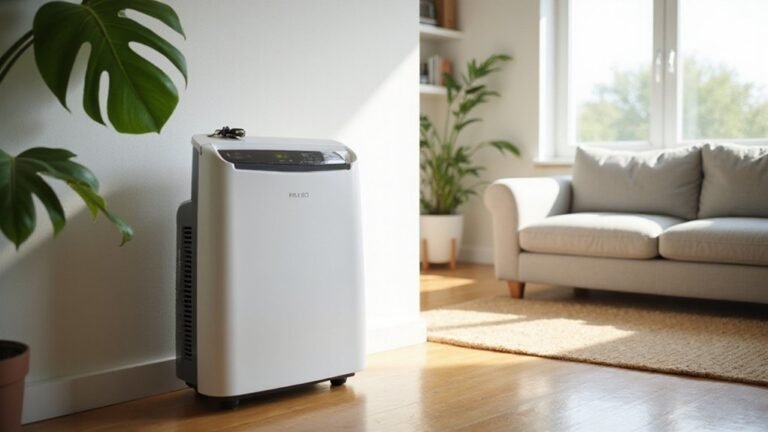
Air purifiers can reduce allergens and asthma triggers by trapping particles like dust, pollen, and smoke in their filters. This process directly lowers the allergen load in your indoor air, helping to improve respiratory health. Portable HEPA purifiers can reduce house dust mite allergens, pet dander, and pollen particles by 25 to 50 percent at the same time. They also significantly decrease levels of cat and fungal spores. For asthma management, filtering out environmental tobacco smoke by 90 to 98 percent and cutting fungal spores by 50 to 75 percent removes major triggers from your environment. Regular use of these devices, combined with frequent cleaning and maintaining humidity below 50 percent, maximizes their effectiveness. This targeted removal of airborne particles can lead to noticeable relief from allergy and asthma symptoms on a daily basis. The effectiveness of these devices hinges on key factors like filter type and room size, which determine how well they capture pollutants. Choosing the right size for your room is similar to selecting between a full and twin mattress, as both decisions require matching the unit to the available space for optimal performance. Consult a qualified electrician before installing dimmer switches on three-way circuits to ensure proper load compatibility and safe operation.
What HEPA Filters and CADR Ratings Actually Do
True HEPA filters and CADR ratings are essential for understanding how well an air purifier cleans your indoor air. A true HEPA filter captures at least 99.97% of particles that are 0.3 microns in size—the most difficult particle size to filter. Its efficiency actually improves for smaller and larger particles because of three key mechanisms: diffusion, interception, and impaction. These work together to trap a broad range of airborne contaminants effectively, and because they also trap microorganisms and allergens, they significantly improve indoor air quality. For best results, your purifier should be sized appropriately, similar to ensuring your mattress fits its frame—just as a queen mattress needs a properly sized bed, an air purifier requires a correctly sized room. When installing such a unit, you must avoid common mistakes like failing to secure the unit or sealing gaps properly, which can undermine performance.
CADR, or Clean Air Delivery Rate, measures how quickly an air purifier removes dust, smoke, and pollen from a room. Higher CADR numbers indicate faster and more efficient air cleaning. It’s important to look at CADR alongside filter quality because a high-quality filter cannot perform well without proper airflow. Matching the CADR rating to your room size ensures your purifier works optimally, providing cleaner air in a shorter time. Keep in mind that “HEPA type” filters do not guarantee the minimum 99.97% efficiency—always verify the specifications to be sure you’re getting true HEPA performance.
Sleep Better With Cleaner Air and Odor Control
Reducing airborne pollutants in your bedroom can significantly improve your sleep quality. Fine particulate matter such as PM2.5 directly disrupts your sleep cycles, but lowering these levels by half can decrease your risk of poor sleep by approximately 10 percent. Better air quality also minimizes allergens like pollen, dust mites, and pet dander, which can block nasal passages and cause nighttime awakenings. Choosing a setup with proper airflow clearance is equally important, as a bed frame or platform can affect how freely your purifier circulates clean air throughout the room. Using an air purifier equipped with activated carbon helps remove volatile organic compounds and odors that can depress your nervous system’s recovery processes. For individuals concerned about cost versus benefit, the health improvements from cleaner air often justify the investment, making air purifiers worth it for long-term wellness. This, in turn, supports deeper, more restorative slow-wave sleep. Filtering out irritants can also reduce snoring and help regulate your sleep-wake cycle, making it easier to wake feeling refreshed and ready for the day. For optimal placement, consider a king mattress footprint that ensures your purifier’s airflow isn’t obstructed by oversized bedding.
Reduce Dust Accumulation With an Air Purifier
HEPA filters can remove 99.97% of airborne particles as small as 0.3 microns, so you’ll notice significantly less dust settling on your surfaces within 30 minutes to 2 hours of continuous use. The purifier works by constantly circulating and filtering the air in your room, capturing dust particles before they land on surfaces. To maximize effectiveness, place the unit centrally in the room, at least 3 feet away from walls, which ensures proper airflow and better particle removal. For optimal results, run the purifier continuously, especially during cleaning or periods of high activity. When dust levels spike, switching to the highest fan speed can boost particle removal. This approach can reduce indoor particulate concentration by up to 90%, helping keep your space cleaner and your breathing clearer.
Protect Your HVAC and Boost Your Brain Health
An air purifier helps protect your HVAC system and enhance your brain health simultaneously. By trapping dust, pollen, and other debris before they reach your filters, it prevents clogged filters and reduces strain on fan motors. This keeps your system running efficiently, extends its lifespan, and lowers energy use, saving you money on utility bills. Cleaner ducts allow better airflow, ensuring your HVAC operates optimally. This whole home system integration ensures uniform air quality improvements across all areas of the house. For optimal performance, filter maintenance is as straightforward as following a step-by-step approach to changing your unit’s components. Experts recommend selecting a model with a high CADR rating for maximum efficiency in removing airborne particles. To keep the unit clean and effective, you should follow a regular washing schedule for any washable pre-filters.
At the same time, an air purifier improves indoor air quality, which benefits your brain. Removing pollutants like volatile organic compounds (VOCs) and allergens clears brain fog, sharpens focus, and stabilizes mood. Fewer airborne irritants mean fewer headaches and less fatigue, helping your brain breathe easier. Over time, this leads to better mental clarity, increased productivity, and overall cognitive health. Protecting your HVAC isn’t just about equipment; it’s an investment in your long-term mental well-being.
Choose the Right Air Purifier for Your Home
Choosing the right air purifier depends primarily on your room size and CADR rating. For small rooms, look for a unit with at least 150 CFM (cubic feet per minute), which ensures adequate airflow to remove particles effectively. For larger spaces, opt for models with 300+ CFM to maintain air quality without strain. Similarly, when selecting a dehumidifier, it is important to consider room size and moisture removal capacity to match your specific environment. Next, focus on filter types. HEPA filters are essential for capturing 99.97% of airborne particles, including dust, pollen, and smoke. Activated carbon filters are beneficial for absorbing gases, odors, and volatile organic compounds. Always check the filter lifespan to avoid frequent replacements that can drive up costs. Consider energy efficiency by choosing models with the Energy Star label, which helps reduce electricity bills. Additionally, evaluate noise levels in decibels to find a unit that operates quietly enough for your environment, especially if you plan to use it in bedrooms or offices. Matching the purifier to your room size and needs helps ensure efficient air cleaning without unnecessary expense or energy use. For best results, ensure your room has adequate natural light to help reduce mold growth, as this can improve overall air quality.
Air Purifiers Support Long-Term Respiratory Health
Air purifiers can significantly support your long-term respiratory health by consistently reducing indoor allergens and fine particulate matter. They effectively lower asthma triggers such as dust, pollen, and pet dander, which can decrease inflammatory markers by up to 68%. This reduction makes breathing easier as their HEPA filters capture PM2.5 particles, cutting their concentration by more than 50%. Lowering these particles diminishes airway inflammation and enhances lung function over time. While they indirectly help regulate indoor humidity by removing moisture-trapping particles, a dedicated humidity control system may still be necessary. Monitoring air quality through metrics like fractional exhaled nitric oxide (FeNO) can reveal improvements—often showing decreases of around 17%—along with reductions in blood pressure by approximately 2.7%. Regular use of air purifiers builds long-term defenses against respiratory issues, lowering the risk of chronic lung conditions and supporting overall cardiopulmonary health. Choosing the right air purifier involves considering space and cost factors, much like deciding between a queen and king mattress for your room.