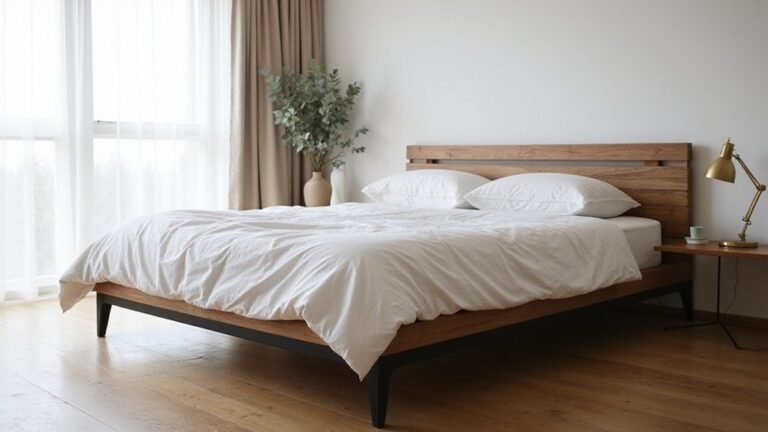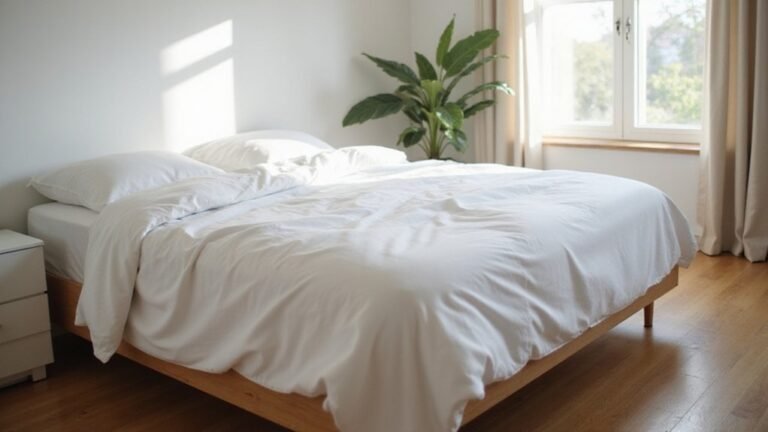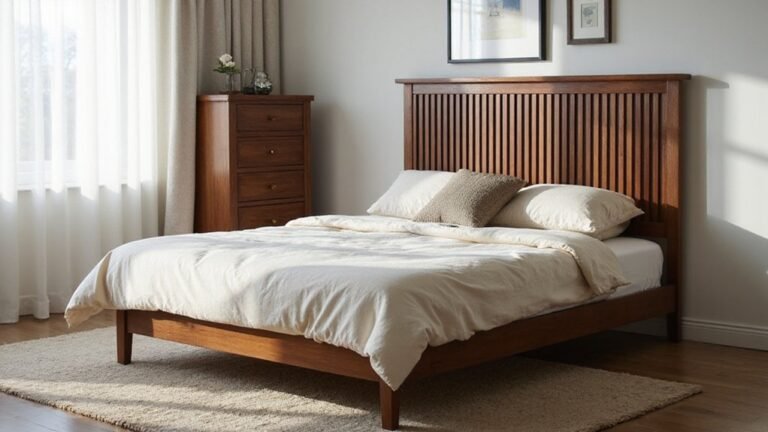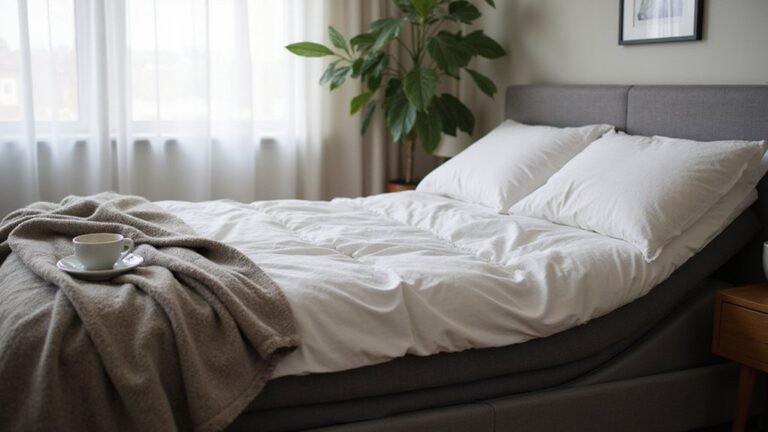
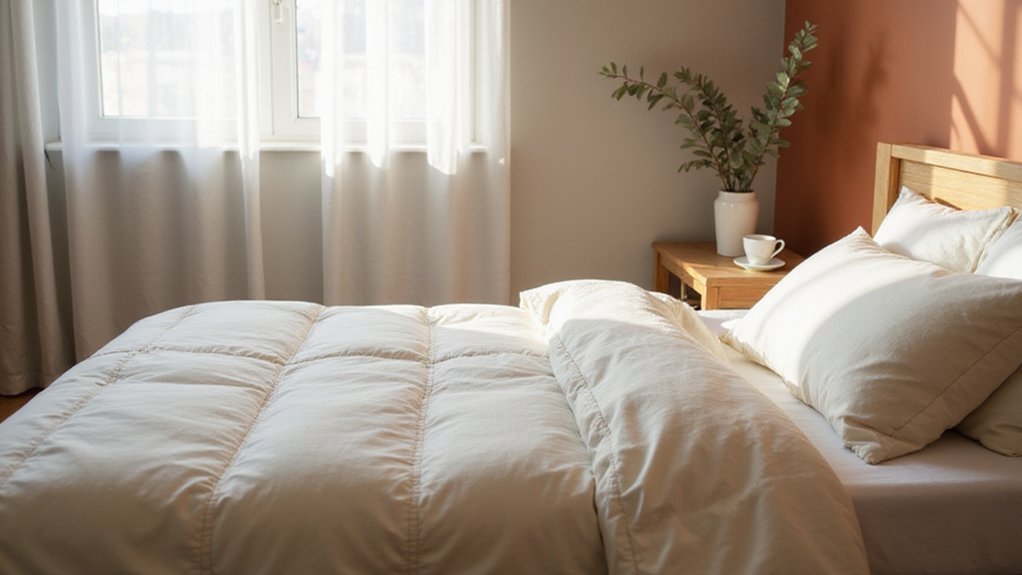
Wondering whether to choose a quilt or a coverlet for your bed? The main difference comes down to their construction—quilts are thicker with a padded middle layer, making them very warm, while coverlets are lightweight, breathable, and more streamlined.
Your choice depends on whether you want cozy heat or airy comfort. Keep reading to find out which option suits your sleep style best.
Coverlet vs Quilt: What’s the Difference in Structure?
A coverlet is made from a single woven fabric layer, unlike a quilt that combines three layers. Quilts feature a decorative top, a thick batting middle for insulation, and a backing fabric, all stitched together. This results in a heavy, padded bed cover. Coverlets, on the other hand, use just one woven fabric such as jacquard or matelassé, giving them a lightweight, unlined feel. Their patterns are woven directly into the fabric, with designs like embroidery or raised textures, instead of sewn-on patchwork or stitched motifs. As a result, coverlets lie flat and smooth, making them thinner and less bulky than quilts. This simpler structure means a coverlet requires no tools to assemble, unlike the detailed stitching and layering needed for installing a window air conditioner. For example, a coverlet’s compact dimensions make it easy to fit on a queen size mattress without the extra bulk of a traditional quilt.
Coverlet Layers vs Quilt Layers: Why the Batting Matters
Because batting serves as the insulating core that provides warmth and weight to a quilt, coverlets omit it entirely. Instead, they consist of a single fabric layer that’s lightweight and breathable. When you select a quilt, you’re choosing a three-layer structure: a top fabric, a batting layer made from cotton, polyester, or wool, and a backing. The batting layer directly influences the quilt’s insulation, drape, and thermal performance. Cotton batting naturally breathes and manages moisture well, making it ideal for moderate climates. Polyester batting offers loft and resilience, helping the quilt maintain its shape over time. Wool batting provides excellent heat retention and is moisture-wicking. In contrast, coverlets are just one decorative fabric with sometimes a thin liner, which makes them lightweight, easy to care for, and suitable for warmer months. The lack of batting means they lack the same insulation and heft but excel in minimal maintenance and breathability. For those learning to quilt, beginner quilt making kits often include pre-cut batting and fabric to simplify the three-layer assembly process. Similar to how choosing between dehumidifiers and humidifiers depends on your home’s climate needs, selecting a quilt or coverlet relies on your desired warmth and air circulation. To keep your bedding fresh, you can gently clean your tower fan using a soft brush and vacuum attachment to remove dust buildup.
Coverlet vs Quilt for Warmth: Which Sleeps Cooler?
Coverlets generally sleep cooler than quilts because they lack insulating fill. Their single-layer construction results in an R-value below 0.5, which means they release heat easily. If you tend to sleep hot or live in a warm climate, a coverlet helps prevent overheating. The fiber composition also plays a role; lighter, more breathable weaves enhance airflow and keep you cooler. In contrast, quilts have three layers with an R-value between 1.0 and 2.0, trapping 15 to 20 degrees Fahrenheit more warmth. This makes them suitable for colder environments but too warm for hot sleepers. For example, a quilt’s thick stitching and additional batting create thermal insulation that dramatically raises its warmth compared to a coverlet. From a sustainability standpoint, coverlets use less fabric and require less batting and stitching, reducing resource consumption. A duvet coverlet, for instance, can be layered over a flat sheet for a lightweight bedding option that enhances airflow. For staying cool at night, choose a coverlet; for insulation in colder conditions, opt for a quilt. For best results, use heat and steam from a garment steamer to relax adhesive bonds without damaging the underlying surface.
Which One Should You Buy? A Quick Decision Framework
Choosing between a quilt and a coverlet depends on your climate, style, and sleep preferences. If you need warmth and durability for cold winters, a quilt is your best bet. Its internal batting offers better insulation, making it ideal for colder bedrooms, especially if it reaches the floor for full coverage. Quilts tend to have traditional textures and patchwork designs, adding cozy charm. However, they can be tougher to wash regularly due to their thickness.
On the other hand, a coverlet is better suited for lightweight comfort, modern aesthetic, and easy maintenance. Its slim profile provides versatile style options, including reversible designs, and it’s machine washable, making it ideal for warm climates or frequent changes. If you prefer a minimalist look that can be easily swapped or layered, the coverlet fits perfectly. For hot sleepers or summer use, its breathable, slim design keeps you cooler at night. Consider your decor style and how often you want to wash or change your bedding when making your choice.
Coverlet vs Quilt for Hot Sleepers: Why Breathability Wins
Breathability clearly favors coverlets for hot sleepers. Their single-layer woven construction allows maximum airflow, preventing heat from trapping against your body. Unlike quilts with batting, which can hold in warmth, coverlets made from cotton or linen stay cool to the touch and improve moisture wicking. This means you can stay drier and more comfortable throughout the night. With an R-value under 0.5, they release heat rapidly, helping you avoid overheating even in warm environments. Their simpler design also means greater durability, with no batting to shift or compress over time. As a result, coverlets support year-round use in most climates, maintaining a comfortable coolness while preventing stuffiness. For hot sleepers, airflow and breathability are essential, and coverlets deliver just that. For an even better sleep setup, pair your coverlet with a proper mattress foundation that promotes airflow and cooling. Unlike cotton sheets, which can vary widely in weave and thread count, coverlets offer consistent breathability through their open construction. When choosing between polyester and cotton, cotton sheets are generally preferred for their natural breathability and moisture-wicking properties.
When the Quilt’s Insulation Makes It the Cozier Choice
The insulation properties of quilts make them the coziest choice when temperatures drop. They trap air within their fibers, forming a thermal barrier that reduces heat loss and creates a warm, protective bubble around you. This insulation balances warmth with breathability, preventing overheating even as you stay warm through the night. Unlike some bedding options, quilts eliminate unnecessary insulation underneath you, which enhances their warmth-to-weight ratio. Durability is another advantage; with proper care, a well-made quilt can retain its loft and thermal performance for many years. Additionally, there’s a nostalgic charm to snuggling under a quilt on cold nights—a comforting reminder of tradition and home. When the chill sets in, a quilt offers unmatched cozy warmth without the bulk or weight of heavier bedding options.
Coverlet vs Quilt Design: Minimal vs Traditional Looks
A coverlet offers a sleek, modern look with its flat surface and clean lines, while a quilt presents a traditional, layered appearance with intricate patchwork. A coverlet is typically a single-layer piece made from woven fabrics like cotton or linen, providing a lightweight, streamlined profile that sits close to the mattress. Its design emphasizes smooth, tailored edges and minimal decorations. Fabrics are chosen primarily for their crisp finish and woven texture, making it ideal for a contemporary, uncluttered bedroom aesthetic.
In contrast, a quilt features three layers: a decorative top with patchwork or detailed patterns, a middle batting for softness and warmth, and a backing for durability. Decorative stitching or quilting holds these layers together, creating a textured, plush look. Quilts often use thicker, more durable fabrics such as cotton or flannel, contributing to their full-bodied silhouette and cozy feel. While coverlets prioritize simplicity and a modern vibe, quilts evoke nostalgia and heritage, emphasizing warmth and intricate craftsmanship.
Can You Layer a Coverlet Over a Quilt?
Yes, you can layer a coverlet over a quilt. To do so, lay the coverlet flat over the quilt, making sure the edges are even on all sides for a polished look. For added visual interest, fold the coverlet at the foot of the bed, creating a layered effect. This approach offers flexibility: you can remove the quilt during warmer months while keeping the coverlet in place for moderate warmth. It results in a bed that is both functional and visually appealing. To keep your headboard looking fresh, regularly vacuum the fabric with a soft brush attachment to prevent dust buildup. Choosing between bed frames and platforms involves similar considerations of cost and comfort when selecting your bedding foundation. To avoid stretching the fabric, use Perfect Sweater Hangers with padded or wide shoulders for delicate materials.
Coverlet vs Quilt Sizing: Drop Lengths and Bed Fit
Because coverlets and quilts serve different purposes, their drop lengths and bed fit requirements vary significantly. Coverlets typically have minimal side drops of 14 to 16 inches, stopping just past the bottom bed rail for a clean, tailored look. Quilts generally need more generous drops of 18 to 20 inches to provide full coverage and display intricate fabric patterns without exposing the mattress. When planning seasonal layering or adjusting for your bed size, always measure the mattress width first. Add twice your desired drop to determine the total width. For length, add one drop plus an extra 10 to 20 inches if you want to tuck the quilt under pillows, which prevents it from appearing undersized. Remember, your batting should extend 4 to 6 inches beyond the quilt top to ensure durability and proper insulation. On platform beds, drop lengths decrease to about 8 to 16 inches, while standard thick mattresses usually require 14 to 22 inches for a proper fit. Always measure the bed’s height, frame, and mattress thickness to determine the preferred drop for your specific setup.
Washing and Care: Machine-Wash Coverlets vs Delicate Quilts
Machine-wash your coverlet with cold water, a mild detergent, and no fabric softener. Use a gentle cycle with an extra rinse to prevent stiffness. Toss in dryer balls to help keep the fabric soft, and stop the dryer every 30 minutes to shake out clumps. This routine makes seasonal swapping easy since many coverlets are made from eco-friendly fabrics that withstand frequent washing well. To maintain its loft and hygiene, wash coverlets at least once a year or when significantly soiled or flattened. For smaller bedrooms, choosing a ceiling fan size that complements your coverlet’s visual weight can enhance the room’s balance. Unlike coverlets, heated throws and blankets often have electrical components that cannot be machine-washed, requiring spot cleaning or professional care instead.
In contrast, delicate quilts require more careful care. Hand-wash fragile quilts in a tub or use commercial washers for larger ones. Always test for colorfastness first, then soak the quilt for about ten minutes on a gentle cycle. Avoid using the dryer; instead, line-dry away from direct sunlight to prevent fading and deterioration. This gentle approach helps preserve their fragile structure and extends their lifespan.