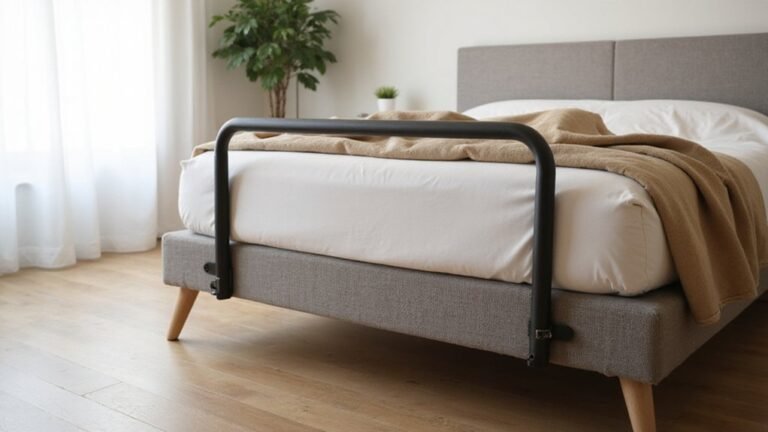
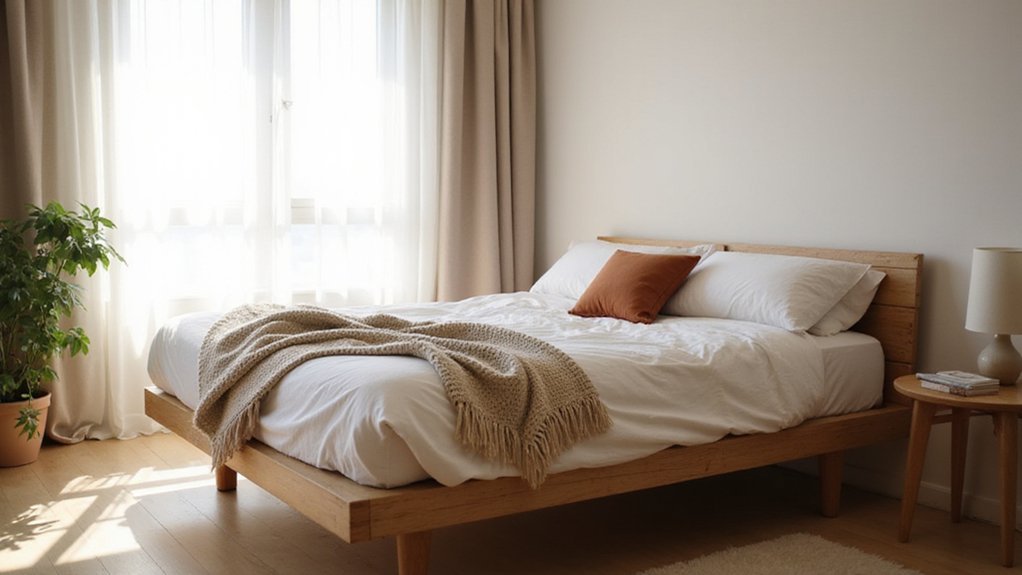
Choosing the right bed setup can save you money and improve your sleep. Your mattress type often determines whether a bed frame or a platform bed is best for you.
A platform bed offers solid or closely spaced slats that support your mattress without the need for a box spring.
The full details will help you decide which option best fits your space, style, and budget.
What’s the Real Difference Between a Bed Frame and a Platform Bed?
A platform bed provides a built-in support system for your mattress, so you can place it directly on the surface without needing a box spring. Its design typically features either a solid surface or closely spaced slats, with slats spaced about 2 to 3 inches apart to ensure even support. This setup helps prevent sagging and offers a firm, supportive base across the entire mattress. Knowing the queen mattress dimensions helps confirm your platform bed’s slats fully support the mattress without overhang. In comparison, a traditional bed frame acts as a perimeter support structure that requires a separate box spring for proper mattress support. Without the box spring, the mattress risks sagging, which can damage the mattress and reduce comfort over time. While some mattresses do not require a box spring, most traditional mattresses still need one to avoid voiding the warranty and to ensure proper support. Because of its integrated foundation, a platform bed simplifies setup and reduces the number of components needed, providing consistent, direct support and eliminating the wear-prone box spring as a weak point. For best results, ensure the area is level by using a carpenter’s level to check the window sill before placing any furniture nearby.
Platform Beds vs. Traditional Frames: Which Mattress Types Work Best?
Choosing the right mattress type determines whether a platform bed or a traditional frame is best. Memory foam and latex mattresses require a rigid, non-flexing surface to prevent sagging and maintain their shape. Platform beds provide this firm support, making them an ideal match. In contrast, innerspring mattresses benefit from traditional frames with slatted bases that offer bounce and good ventilation, enhancing airflow and comfort. Hybrids—combinations of foam and coils—are versatile and can work well with either type of support. Additionally, consider bedding accessories like fitted sheets. Platform beds often need deeper pockets because of their thicker mattresses, so check your sheet sizes accordingly. Matching your bed base to your mattress’s specific needs can extend its lifespan and improve overall comfort. For those choosing between a full and queen mattress, queen mattress dimensions typically offer more space for couples without requiring an overly large bedroom.
Platform Beds vs. Traditional Frames: Which Saves You More Money Long-Term?
Choosing a platform bed over a traditional bed frame saves you more money in the long run. Traditional frames typically cost between $200 and $450 when you include a box spring, which is a mandatory extra for support. In contrast, metal platform beds are priced between $100 and $350 and come with the support structure built-in, eliminating the need for a box spring. Additionally, box springs generally need replacing every 5 to 10 years, adding ongoing costs that platform beds help you avoid altogether. With a durability span of 15 years or more, platform beds offer better long-term value. For an even more cost-effective approach, applying energy-efficient space heater guidelines can help reduce overall household expenses during colder months. Support for modern mattresses is easier with platforms since most can be used directly without additional bases. Assembly is comparable between the two options, but platforms often require no extra parts, simplifying the setup process. When calculating cost-per-year, investing in a quality wood platform in the $400 to $600 range offers the best durability and value, while a metal platform priced around $150 to $250 provides excellent overall savings. Overall, choosing a platform bed can cut your total setup costs by about 25 to 30 percent. Following a clear step-by-step approach when assembling your platform bed ensures a smooth, hassle-free setup and maximizes its long-term durability. Just as with lighting choices, opting for LED bulbs over fluorescent can further reduce your monthly energy bills.
Platform Beds vs. Traditional Frames: Which Fits Your Room and Style Better?
Platform beds are typically around 14 to 18 inches high, making them a great fit for modern, minimalist interiors. Their low profile creates an open, airy feel in smaller rooms, helping to maximize space. Because of their simple, clean lines, they blend easily with neutral or bold color schemes, promoting versatile aesthetic choices. Many platform beds also come with built-in storage underneath, which can help reduce clutter and improve functionality without sacrificing style. For those choosing a mattress size, a queen mattress size often pairs well with a platform bed to balance space efficiency and comfort. For even more efficient use of vertical space, a bunk bed desk can be integrated into a platform bed setup to create a compact workstation. For parents considering a nursery, a bedside bassinet offers similar space-saving benefits for safe and comfortable sleep.
In contrast, traditional bed frames usually stand 24 to 30 inches tall and often feature ornate designs and raised headboards. They can make a strong decorative statement, especially in larger rooms built to accommodate their size. While they typically require a box spring for support, their elevated height provides easier access to bedding and can offer a regal look. However, their bulkier footprint demands more floor space, which might not be ideal for compact or space-conscious bedrooms.
Choosing between the two depends on your room size and style preference. If you want a sleek, space-efficient option with integrated storage, a platform bed is often the better choice. If you prefer a statement piece that adds a touch of luxury and works well in larger rooms, a traditional frame might suit your needs better.
Platform Bed or Traditional Frame: How to Choose the Right Base for Your Needs
Choosing between a platform bed and a traditional frame depends on your preferences for support, space, and budget. Platform beds provide a firm, even surface that supports foam or hybrid mattresses directly, reducing the risk of sagging over time. Traditional bed frames typically require a box spring to achieve similar support, which can add extra cost and bulk to your setup.
Assembly process varies significantly. A platform bed is usually built by placing the mattress directly on the slatted or solid surface, making setup straightforward and quick. Traditional frames involve assembling both the frame and the box spring, which takes more time and effort. Platform beds tend to be easier to maintain long-term and may include built-in storage options. Although traditional frames often cost less initially, platform beds are generally more durable and promote better airflow around the mattress. Opt for a platform if you value modern convenience and strong support, or choose a traditional frame if you prefer a higher profile and lower upfront expense.