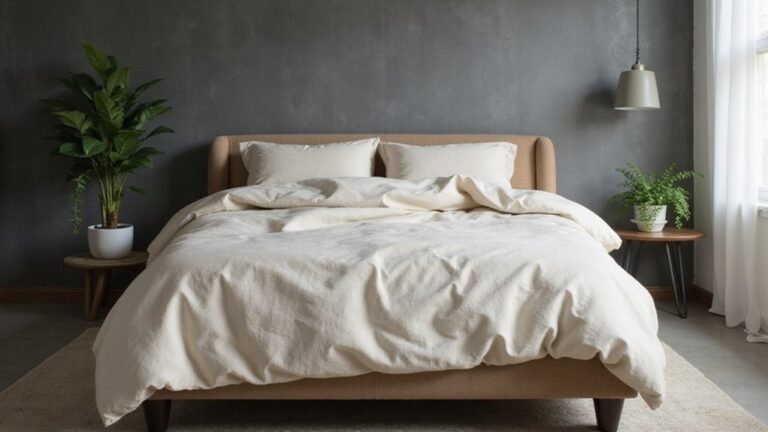

If you’re wondering whether a full sheet set will fit your queen bed, the answer is generally no.
Full sheets are smaller—about 6 inches narrower and 5 inches shorter—which means they often won’t stay secure or provide enough overhang for a queen mattress.
But there are a few workarounds worth knowing about. Keep reading to find out how to make it work, or if it’s better to pick the right size from the start.
Will a Full Sheet Set Actually Fit a Queen Mattress? (No: Here’s Why)
A full sheet set will not fit your queen mattress because its dimensions are too small. A typical full fitted sheet measures 54 by 75 inches, whereas a queen mattress is usually about 60 by 80 inches. This means there is a 6-inch shortage in width and a 5-inch deficit in length. Forcing a full sheet onto a queen mattress will cause the corners to pop off and the sheet to loosen quickly, exposing the mattress. Overstretching the sheet can also lead to tears and reduce its overall durability. The flat sheet will barely hang over the sides, providing minimal coverage and failing to create a secure, comfortable fit. To ensure both comfort and longevity, always choose sheets specifically designed for queen-sized beds. For reference, a queen mattress measures 60 by 80 inches, which is the standard size to look for when buying bedding.
Exact Size Differences Between Full and Queen Sheets
Full sheets measure 54 inches wide and 75 inches long, whereas queen sheets come in at 60 inches wide and 80 inches long. The difference is 6 inches in width and 5 inches in length, which adds up to a total surface area gap of 750 square inches. This extra material in queen sheets means they cover roughly 49 square feet, compared to about 42 square feet for full sheets. The larger size helps prevent the sheets from pulling tight at the corners and snapping off, which can expose your mattress. Because full sheets lack this extra margin, they tend to strain more under tension, especially at the seams. Choosing the right size ensures a proper fit and longer-lasting durability, as the additional fabric in queen sheets distributes tension more evenly. For example, a queen mattress requires 60 inches wide of sheet coverage to avoid the corner strain common with full sized bedding. Just as selecting the correct sheet size prevents stress on fabric, choosing the right humidity control for your space prevents strain on your home’s comfort and air quality. Similarly, a rock salt lamp can help improve indoor air quality by absorbing moisture and releasing negative ions, which may reduce airborne irritants.
Why a Full Fitted Sheet Won’t Fit a Queen Mattress
A full sheet set’s dimensions—54 inches wide by 75 inches long—simply don’t match the 60 by 80 inches needed for a queen mattress. This 6-inch width and 5-inch length difference prevents the elastic edges from securing around all four corners properly. As a result, the sheet tends to slide and become loose, leading to uncomfortable bunching and shifting during sleep. This constant movement not only disturbs your rest but also puts extra strain on the fabric, causing faster wear and reducing overall fabric durability. For a truly comfortable fit, consider a design with a swivel accent chair for added flexibility in your seating arrangement. Installing a window air conditioner requires careful measurement of the window to ensure a secure fit. The same principle of precise sizing applies to duvet covers which also rely on correct dimensions to prevent shifting and maintain comfort.
In addition, the misfit affects thread count integrity. When a sheet is stretched or unevenly bunched due to poor size compatibility, the material can become stretched out of shape. The sheet will struggle to stay tucked in, exposing mattress corners and creating an unstable sleeping surface. For a secure fit, long-lasting comfort, and to protect your investment, it’s essential to choose a sheet set specifically designed to match the dimensions of a queen mattress.
Can You Use Full Flat Sheets on a Queen Bed?
Yes, you can use a full flat sheet on a queen bed, but it comes with limitations. A full flat sheet measures around 82 by 96 inches, while a queen-sized sheet measures approximately 102 by 98 inches. This means there’s about a 20-inch narrower width and a 2-inch shorter length with the full sheet. As a result, the overhang will be smaller, making it harder to achieve a neat, tucked-in look. If you have a vanity with lit mirror and use it to style your hair, you still won’t want a messy bed in the background. While a full flat sheet offers some flexibility in fit, it won’t fully cover the sides and foot of your queen mattress, especially if you prefer a generous overhang for a more polished appearance. For comparison, a king mattress measures 76 inches wide, which is six inches wider than a queen, highlighting how much coverage difference exists between bed sizes. Your mattress protectors and decorative pillowcases might not sit as neatly beneath the shorter sheet, which can affect the overall tidiness of your bedding. Using a full sheet also means you lose the privacy and reflection that a properly fitted queen sheet provides when your bed is the focal point of the room. Although you can use a full flat sheet in a pinch, for a polished and secure fit, sheets designed specifically for queen beds are the better choice.
What Happens When You Stretch a Full Sheet Onto a Queen Bed
Stretching a full sheet onto a queen bed causes significant problems because a typical full sheet is about 54 inches wide, while a queen mattress measures around 60 inches. This 6-inch difference means you’re pulling the fabric tight across the wider surface, which stresses the material and elastic. The elastic bands on the fitted sheet can’t grip the thicker corners properly, causing them to pop off overnight. Over time, this overstretching weakens the weave of the fabric, leading to tears and a loss of elasticity that shortens the sheet’s lifespan. To achieve a secure fit, you should instead sew elastic at an angle for better corner grip on the correctly sized sheet.
The elastic often rides up to the mattress edge instead of staying underneath, resulting in constant slipping. The flat sheet, being too small, leaves about 6 inches of mattress exposed on each side, which prompts bunching, wrinkling, and discomfort throughout the night. Dampening or steaming the sheet might temporarily improve the fit but won’t fix the core size mismatch. This ongoing tension stresses the fibers and fabric structure, making the problem worse over time.
3 Workarounds to Make Full Sheets Fit a Queen Bed
To make full sheets fit a queen bed, try these practical workarounds. First, use sheet straps or corner fasteners to securely anchor the fitted sheet’s corners underneath the mattress. This prevents the sheet from slipping or bunching despite the size difference. Second, removing mattress padding or toppers can lower the overall height, making it easier for the sheet to wrap around all four corners smoothly. Third, gather any excess fabric at each corner and create pleats, then tuck these beneath the mattress. This results in a taut, more tailored surface. Similarly, the same principle of using cord locks to secure fabric is often applied in DIY window treatments to manage tension. For seniors needing similar stability, choosing a model with adjustable safety rails can provide comparable secure fit and support.
The material of your sheet also plays a role. Silk generally offers less grip and stretch compared to cotton, which can help or hinder depending on your situation. High thread count sheets tend to feel smoother but may resist elastic tension, making them less forgiving when size mismatches occur. Remember, these solutions are temporary fixes for incompatible sheet sizes and might not provide a perfect long-term fit. For optimal energy savings, LED bulbs are often a better choice than fluorescent bulbs.
Why a Queen Sheet Set Fits Your Mattress Best
A queen sheet set fits your mattress best because it’s designed specifically for a standard queen size of 60 by 80 inches. Full sheets, which measure 54 by 75 inches, leave extra fabric—about 6 inches in width and 5 inches in length—that needs tucking or pleating. This excess fabric can cause the sheet to look messy and disrupt your color coordination. Queen flat sheets, typically 90 by 102 inches, provide ample fabric for proper tucking without sagging, ensuring a neat appearance. Additionally, pocket depth options are important: standard at 12 inches for thinner mattresses, deep at 14-15 inches, and extra deep at 16-18 inches for thicker mattresses. Choosing the right pocket depth guarantees your fitted sheet stays securely in place. A well-fitting sheet set helps you focus on comfort factors like thread count rather than constantly adjusting wrinkled, loose fabric.
How to Choose the Right Sheet Set for Your Mattress Size
To choose the right sheet set for your mattress size, start by confirming that you have a Queen-sized mattress, which measures 60 inches in width and 80 inches in length. Measure its thickness to determine the appropriate fitted sheet pocket depth; add 1 to 2 inches to this measurement to prevent slipping off during sleep. Standard fitted sheet pockets for Queen beds range from 7 to over 17 inches, so select one that matches your mattress’s depth precisely.
Avoid purchasing a Full sheet set, as its fitted sheet dimensions of 54 by 75 inches will not fit your Queen’s larger surface. For flat sheets, a Queen size typically measures around 96 by 102 inches, providing ample coverage, and usually includes two pillowcases measuring 20 by 30 inches each. Always check the sizing chart provided by the brand and account for fabric shrinkage after washing to ensure your sheets fit perfectly over your mattress.
Prioritize sheet sets labeled specifically for Queen size to ensure a secure fit that stays in place. Proper fit prevents sheets from slipping or popping off, allowing you to focus on decorating and enjoying your bed without constant adjustments.