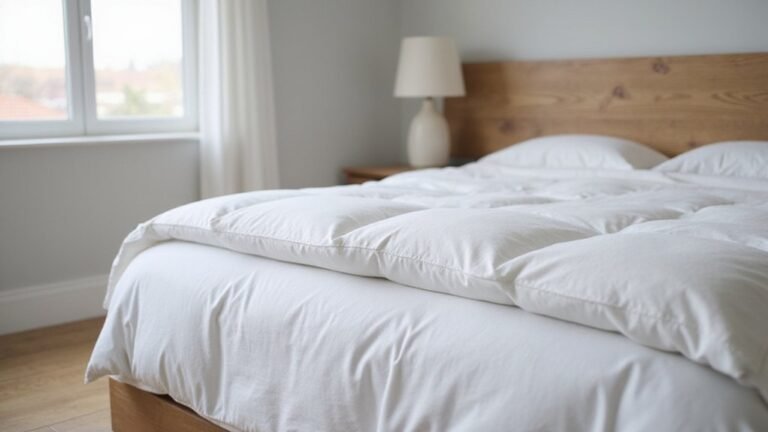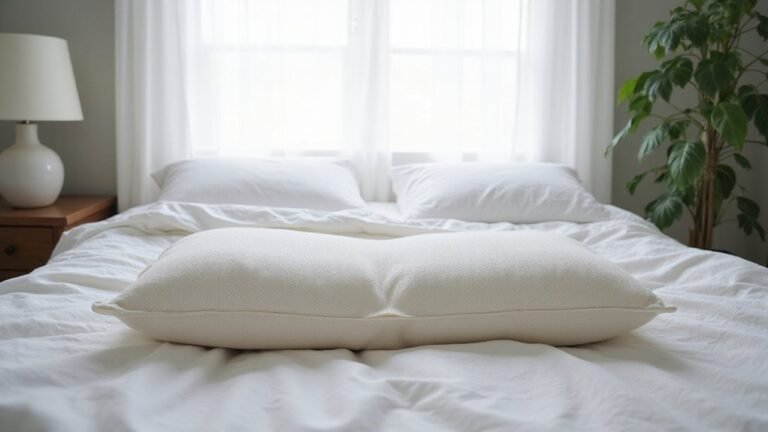
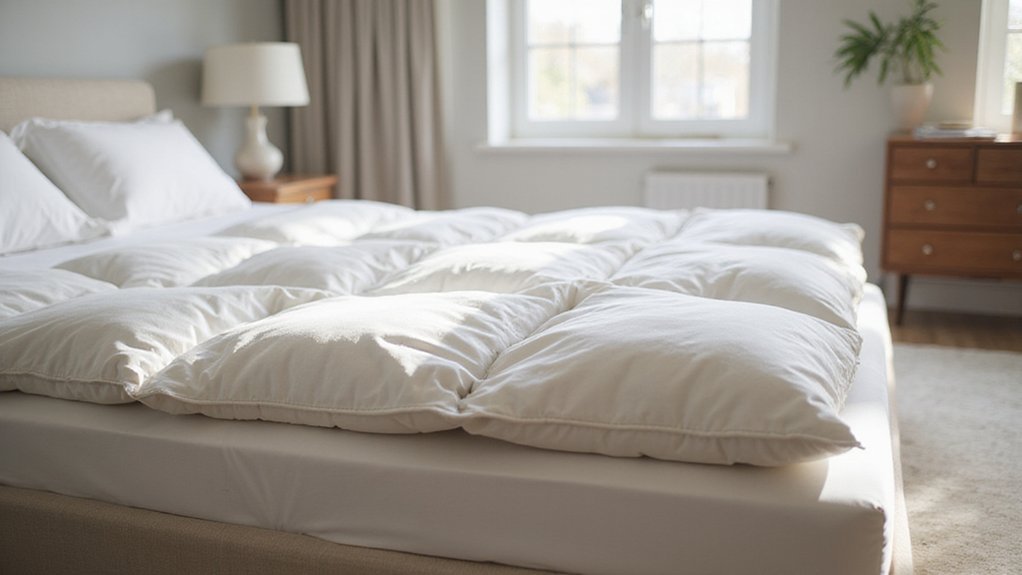
If you’re wondering whether a mattress pad or a topper is better for improving your sleep, you’re not alone. The main difference lies in their thickness and purpose.
Pads are under two inches and add light cushioning or protection.
While toppers range from two to four inches and can completely change how your bed feels.
Keep reading to find out which option suits your needs best.
Mattress Pad vs Topper: What’s the Difference in One Sentence?
A mattress pad is a thin, quilted layer, usually less than two inches thick, designed to enhance your bed’s surface feel and provide light protection. It sits directly on top of your mattress, fitting like a fitted sheet with elastic corners to keep it in place under your sheets. Unlike a mattress topper, which significantly changes firmness or adds height, a pad offers a subtle adjustment—such as a crisp cotton finish or a soft plushness—primarily for aesthetic appeal. An effective beauty routine is just as important, and using a vanity mirror with lights can perfect your grooming rituals. It’s an ideal choice if you want a washable, protective layer that guards against spills and adds a touch of softness, without altering your mattress’s fundamental support or comfort level. For example, a queen mattress pad fits a standard 60-inch wide by 80-inch long queen bed. Keep in mind that a mattress pad does not deliver major pressure relief or transform your sleep experience; it’s mainly for slight enhancements and protection. For a more significant transformation, you would instead install a mattress topper, which adds substantial height and cushioning. Typically constructed from quilted fabrics like cotton, polyester, or rayon, a mattress pad is often designed with a waterproof layer for added spill protection.
How Thickness Changes What a Pad vs Topper Can Do
A mattress pad or topper’s thickness directly determines what it can do for your bed. Pads are typically 1 to 2 inches thick, providing only minimal cushioning. They add a slight plush feeling and surface protection but do little to change the overall firmness or support of your mattress. If your goal is subtle comfort enhancements or minor surface guard, a pad suffices; for more substantial changes, it falls short. For instance, a pad is comparable to the thin layer of a duvet cover that protects without altering the fill’s core feel.
Toppers, on the other hand, are usually 2 to 4 inches thick and capable of significantly altering your sleep surface. The extra depth provides more substantial cushioning, allowing you to soften a firm mattress or add support to an overly soft one. At 4 inches, a topper can act like a mini-mattress, offering notable pressure relief and contouring. If you want to transform your bed’s feel—making a hard mattress softer or adding firmness—you’ll need a topper. A pad simply cannot deliver the level of change a thicker topper can provide. Just as proper installation steps are crucial for a window air conditioner to function effectively, choosing the correct thickness is essential for a mattress topper to achieve its intended effect.
Memory Foam vs Cotton: Why Materials Make the Difference
Memory foam provides a deep, contouring feel that offers excellent pressure relief, making it ideal if you suffer from joint soreness. However, it tends to trap heat, which can lead to night sweats, and it off-gasses VOCs that may cause discomfort or odors. Cotton, on the other hand, delivers plush, hotel-like comfort with natural breathability. It keeps you cool and dry by allowing air to circulate freely, making it a better choice for hot sleepers. Cotton also resists dust mites naturally, providing allergy-friendly benefits and a more eco-friendly profile because it is renewable and biodegradable. While memory foam excels at conforming to your body’s shape and providing support for pressure points, cotton emphasizes temperature regulation and sustainability. If you seek a middle ground with a lifted, responsive feel, latex support might be worth considering, as it offers a balance of support and responsiveness without the heat retention associated with memory foam.
Can a Mattress Pad Protect Your Bed (When a Topper Can’t)?
A mattress pad can protect your bed in ways a topper simply cannot. Unlike toppers, which mainly add softness or alter firmness, a pad acts as a barrier against daily wear and tear. It absorbs sweat, preventing moisture from seeping into the mattress and reducing the risk of mold or odors. Additionally, it blocks dirt buildup, keeping your bed cleaner over time. A mattress pad also shields against dust mites and allergens, which can improve your sleep hygiene without adding extra bulk or changing the bed’s feel. Opt for eco-friendly fabrics like organic cotton or bamboo for breathability and environmental benefits. While a topper provides extra softness, it won’t prevent liquids from soaking in during major spills or heavy sweating. A mattress pad handles these light accidents, maintaining a fresh, protected surface. Though it doesn’t alter firmness, a pad helps preserve your mattress and extend its lifespan in ways a topper cannot. Mattress protectors, however, provide full coverage encasement to safeguard against stains and bed bugs more effectively than a pad. For the best fit, ensure your pad matches standard queen bed rails to avoid shifting during sleep. A similar DIY approach using reclaimed wood can frame your pad for a custom, protective headboard. For those seeking similar peace of mind in a warm room, choosing a quiet portable air conditioner can reduce noise disruptions while maintaining comfort.
Which One Fixes a Firm Bed Better: Pad or Topper?
A mattress topper is more effective than a pad at fixing a firm bed. You need at least 2 inches of thickness to significantly soften a firm mattress, and toppers typically range from 2 to 4 inches, providing the necessary material to improve comfort. Pads are usually only 0.5 to 2 inches thick, which isn’t enough to make a meaningful difference in firmness. Toppers are made from dense materials like memory foam or latex, offering the durability and support needed to counteract a firm surface. This substantial depth and density help balance pressure points and create a softer, more supportive sleep experience. In contrast, pads are thin and quilted, providing minimal change and often still feeling firm underneath. For a real transformation of your sleep surface, a topper’s thickness and resilient materials are essential ingredients. Proper cleaning your Vicks humidifier helps maintain its longevity and performance, much like caring for any household item.
Budget vs Benefit: When Is a Topper Worth the Extra Cost?
A mattress topper is generally worth the extra cost if your current mattress is under seven years old and still supportive. While toppers average around $319 for a queen size, cheaper options under $50 can be found, making them a budget-friendly way to improve your bed. High-end memory foam or latex toppers cost more but offer better support and durability, typically lasting 3 to 5 years, which can help delay the need for a full mattress replacement. For those considering a natural material, latex mattress models are known for their exceptional resilience and breathability. If your bed is still supportive and in good condition, a topper extends its lifespan and enhances sleep quality without significant expense. For example, choosing a polyester topper is often cheaper than cotton, but cotton sheets provide superior breathability and natural comfort. For beds that feel too firm, investing in a quality topper provides long-term comfort and value, especially when instant softness is needed. Understanding how valances enhance cozy bedroom decor can also help you create a more inviting sleep environment.
Back Pain, Allergies, or Heat: Which Product Solves Your Problem?
If back pain is your main concern, opt for a mattress topper rather than a pad. Pads are typically too thin and can cause your hips to sink, misalign your spine, and potentially worsen discomfort. A topper adds a thicker layer of cushioning that supports your body and maintains proper spinal alignment, which is essential for reducing pain. For moderate to severe back pain, using a topper is particularly important, as it provides the necessary support and comfort to promote better sleep posture.