
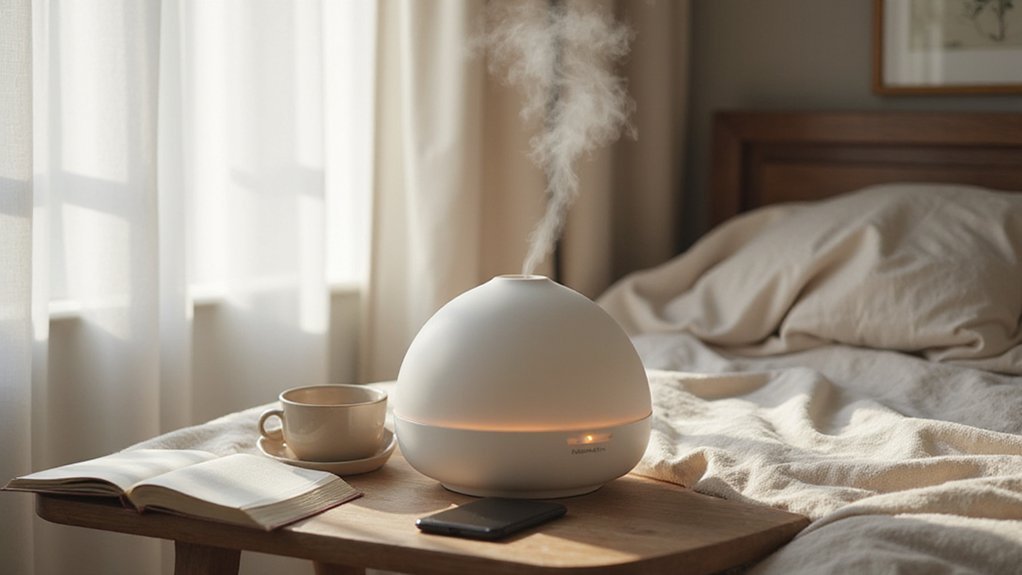
If you’ve ever wondered how a humidifier works, you’re not alone. These devices add moisture to your air to help with dry skin, congestion, and static electricity. But they do it differently depending on the type.
Most models use either cool mist or warm mist technology. Cool mist models create fine fog with vibrations or a fan, while warm mist units heat water into steam.
Keep reading to discover which kind suits your space best.
What Is a Humidifier and Why Use One?
A humidifier adds moisture to the air by releasing water vapor or steam, making the environment more comfortable and healthier. It works by storing water in a tank and controlling the release of humidity to maintain a target level, typically between 30 and 50 percent. This helps prevent dry skin, sore throats, and damage to wooden furniture caused by low humidity. Using a humidifier regularly can relieve congestion, soothe dry coughs, and improve overall comfort during dry seasons or in heated indoor environments. Proper maintenance is essential: cleaning the device regularly prevents bacteria and mold buildup, which can aerosolize contaminants and cause health issues. To maximize benefits, consider expert tips such as using distilled water to minimize mineral dust. For optimal placement, ensure the unit is on a stable surface comparable to a queen mattress size to avoid tipping. For context, a king mattress is 76 inches wide, which is significantly larger than a queen and provides another reference for spacious placement. A well-maintained humidifier ensures healthier indoor air and protects your home by keeping humidity levels balanced and avoiding potential indoor air quality problems.
Warm Mist vs. Cool Mist: Which Type Works Best?
Cool mist humidifiers eliminate burn hazards completely. They are also more energy-efficient because they do not contain heating elements. Unlike ultrasonic models, evaporative humidifiers use a fan to draw air through a wet wick, which naturally filters out minerals and reduces white dust. Cool mist models tend to be better suited for large spaces and warmer climates, as their design naturally responds to humidity levels by reducing output when humidity rises. This self-regulating feature helps prevent over-humidifying a room. Additionally, warm mist units should be positioned out of reach of children and pets due to burn risks from the heating element. Choose warm mist if you want added warmth and bacteria-killing properties, or opt for cool mist if safety and energy savings are your top priorities. For a similarly delicate item, the care routine resembles the gentle washing method recommended for goose down comforters to avoid damaging the fill.
How an Ultrasonic Humidifier Uses Sound to Make Fog
An ultrasonic humidifier uses high-frequency sound vibrations to create a fine, cool mist. This process is called ultrasonic atomization. A small piezoelectric disk inside the device vibrates at approximately 1.7 million times per second. These rapid vibrations cause a thin column of water and tiny bubbles to form on the disk’s surface. When the bubbles burst, they release droplets about one micron in size, forming a visible, cool fog. A gentle fan then blows this invisible mist into your room, where it quickly evaporates. Since the process operates silently and without heat, it is both quiet and energy-efficient. The design includes no moving parts, making it a simple and effective way to add moisture indoors. The energy efficiency of this process is about 165% because it creates cold water droplets rather than vapor, making it more efficient than heating water.
The Basic Science: How Humidifiers Add Moisture to Air
Humidifiers add moisture to the air through two main methods: evaporative cooling and direct water vaporization. In evaporative models, a fan pulls air through a wet wick. As air passes through it, water molecules naturally evaporate into the air. This process cools the surrounding environment, similar to how sweat cools your skin. As the air’s humidity increases, evaporation slows down, creating a natural self-regulation that prevents over-humidifying.
Ultrasonic humidifiers use high-frequency vibrations to break water into tiny droplets, creating a fine mist without heat. Steam humidifiers heat water until it boils, releasing warm vapor directly into the air. Both types quickly add moisture but influence temperature differently—evaporative units may slightly cool the room, while steam models introduce warmth. Your choice depends on whether you prefer a cool or warm mist, but both rely on turning liquid water into vapor through physical processes.
How Whole-House Humidifiers Link to Your HVAC System
Whole-house humidifiers connect directly to your HVAC system and activate during the heating cycle. During this process, a portion of dry indoor air is diverted through the humidifier, passing over a water-saturated pad. A solenoid valve then opens automatically, allowing water from your supply line to mix with the heated air, transforming it into vapor. Your humidistat constantly monitors indoor humidity levels and signals the valve to open only when moisture levels drop below the set point. This integration ensures consistent and even distribution of humidity throughout your home without manual intervention. The humidifier operates only when the heat is on unless blower activation mode is turned on, enabling fan-based humidity control independent of HVAC heating. Unlike LED bulbs, these humidifier components require no special disposal steps and follow standard waste protocols for household appliances. Just as a rock salt lamp can create a soothing ambient glow that enhances relaxation, consistent humidity control supports overall indoor comfort. For homeowners seeking to estimate installation costs, estimating the cost of integrating such a system follows a similar step-by-step approach to window film projects.
Does a Humidifier Help Dry Skin, Snoring, or Allergies?
Humidifiers can indeed help dry skin, snoring, and allergy symptoms by adding moisture to the air. Keeping humidity levels between 30% and 50% is key. When air moisture is within this range, your skin stays hydrated, reducing dryness and eczema flare-ups, which helps your complexion stay smooth and supple. A standard twin mattress is 38 inches wide and 75 inches long, which provides a compact sleeping surface ideal for cozy bedroom setups. For snoring, increased humidity soothes irritated throat and nasal tissues, making breathing easier and reducing episodes caused by congestion. In terms of allergies, maintaining proper humidity prevents dry airways from becoming inflamed or irritated, which can worsen allergy symptoms. However, staying within the recommended 30–50% range is crucial: levels above 60% may promote dust mites or mold growth, potentially aggravating allergies. To avoid these issues, you should seal gaps around the unit with weatherstripping or foam to prevent outdoor moisture and pests from entering. Regularly cleaning your humidifier every three days and using distilled water can help ensure optimal benefits and prevent mold or bacteria buildup. To keep your device working safely, follow simple cleaning steps like emptying and drying the tank between uses to prevent bacterial growth.
What Happens When a Humidifier Raises Humidity Too High?
When a humidifier raises indoor humidity levels above 50%, it can lead to multiple issues. Excess moisture makes your home prone to mold, dust mites, and bacteria growth, which thrive in damp environments. You may see condensation on windows, walls, and surfaces, creating a stuffy, heavy feeling in the air. High humidity also worsens asthma and allergy symptoms, making breathing uncomfortable, especially at night. To correct this, lower the humidistat setting or reduce humidifier use. Using a hygrometer helps keep humidity in the safe 30–50% range. Turn off the unit or run it intermittently until the humidity stabilizes within this optimal zone. For a nursery, selecting the correct crib mattress size prevents gaps that could trap excess moisture and promote mold growth. Investing in a quality comforter helps regulate temperature so the bedroom feels cozy without relying solely on high humidity.
How to Clean Your Humidifier to Prevent Mold and Bacteria
To effectively clean your humidifier and prevent mold and bacteria growth, start by unplugging the device and removing all detachable parts, including the water tank, base, filter, and any mist nozzles or caps. Discard any remaining water and rinse all parts with cool running water. To combat mineral buildup, mix one cup of white vinegar with one cup of water, then pour this solution into the tank and base. Let it sit for 15 to 20 minutes to loosen deposits. Use a soft-bristled brush to scrub areas where mold might hide, especially crevices and corners. Always use distilled water to reduce mineral deposits in the tank and base, as recommended in routine maintenance.
For disinfection, prepare a solution with one teaspoon of bleach per gallon of water. Swish this mixture inside the tank and base, ensuring thorough coverage. Rinse all parts thoroughly until the smell of bleach disappears. Make sure every component dries completely in a well-ventilated space before reassembling to prevent moisture-trapped surfaces. Avoid using bleach on the filter to keep its antimicrobial coating intact. Instead, replace the filter weekly, swishing it in cold water to remove debris. Regular cleaning like this ensures your humidifier stays safe, effective, and free from harmful mold and bacteria.
Choosing the Right Humidifier Size and Type for Your Room
Choosing the right size humidifier depends on your room’s square footage. For a bedroom up to 300 square feet, a unit with a 1 to 2-gallon water tank is sufficient. This size ensures consistent humidity without frequent refills. For larger spaces like living rooms between 500 and 1,000 square feet, opt for a 5 to 7-gallon capacity humidifier to maintain comfortable moisture levels throughout the room. To integrate the benefits of aromatherapy, you can also add a few drops of essential oils to a compatible diffuser-humidifier for enhanced relaxation.
Ceiling height also influences the necessary size. Vaulted ceilings mean you should increase your humidifier’s capacity by about 10 to 15 percent to compensate for the additional volume. If your home is drafty or older, size up your humidifier to maintain steady humidity levels and reduce the need for constant refilling. Proper sizing helps keep your air comfortable and minimizes maintenance efforts.