
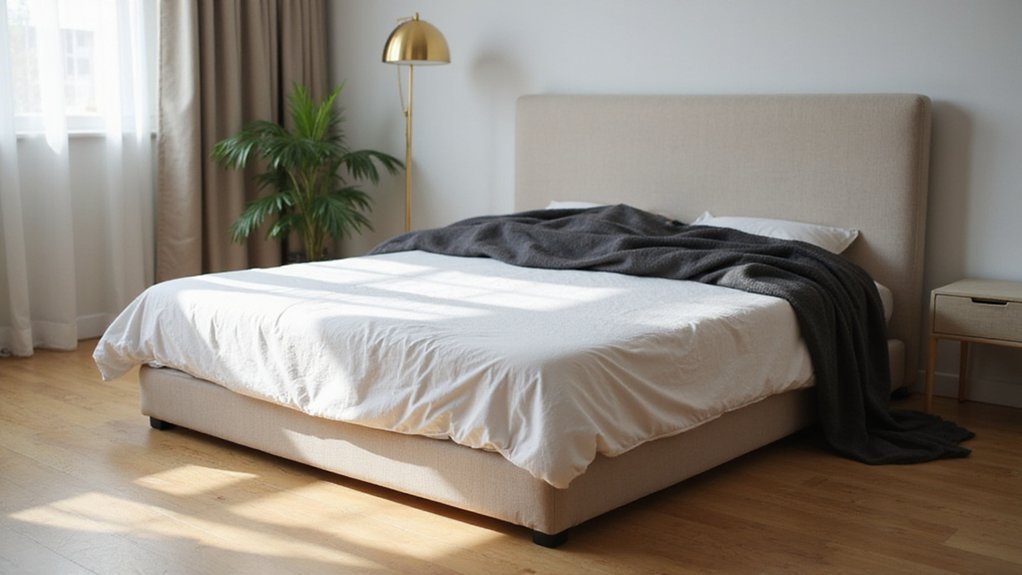
Are you wondering what exactly a box spring is and why it matters? It’s a crucial part of your bed setup, sitting between your mattress and bed frame.
It plays a big role in your sleep quality. A well-chosen box spring can extend the life of your mattress and improve comfort.
Keep reading to learn more about how this simple addition can make a difference.
What Is a Box Spring, and How Is It Built?
A box spring is a rigid support layer that sits between your mattress and bed frame. It provides a stable, shock-absorbing foundation to extend the lifespan of your mattress and improve comfort. Most box springs are built with a wooden or metal frame filled with sturdy metal springs and wrapped in fabric. When choosing a box spring, it is important to ensure its dimensions match your queen mattress size to prevent overhang or instability. This process is similar to securing a stable foundation for other heavy household installations, such as a window air conditioner.
The manufacturing process prioritizes material durability to ensure long-lasting support. Typically, spiral springs are attached to a sturdy foundation and enclosed within a cloth-covered frame. Some models replace coils with metal rods or a solid wood base, while others are hollow inside for weight reduction and airflow. The frame is designed to be much stiffer than your mattress, which helps reduce wear and tear. It also absorbs movement and keeps the sleeping surface cooler by allowing air to circulate through its internal structure. This support system is traditionally paired with innerspring mattresses to maximize comfort and durability.
The 3 Main Benefits a Box Spring Adds to Your Bed Setup
Adding a box spring to your bed enhances comfort, support, and overall sleep quality. The springs or slats create a flexible surface that absorbs movement, which means you’re less likely to be disturbed by tossing and turning. It also helps distribute weight evenly across your mattress, reducing stress on fibers and preventing premature sagging, thus extending your mattress’s lifespan.
A box spring raises the height of your bed by several inches, typically bringing it to waist level. This increased elevation makes getting in and out easier, especially if mobility is a concern. It also creates additional storage space underneath, which can be useful in smaller rooms.
Furthermore, a box spring improves airflow beneath your mattress. Better ventilation helps moisture escape and prevents mold buildup, contributing to a healthier sleep environment. It also aids in temperature regulation, helping you stay cooler at night. Plus, most standard bed frames are compatible with box springs, ensuring a stable foundation that supports your mattress properly.
How a Box Spring Extends Mattress Life by 8–10 Years
A box spring can extend your mattress’s life by 8 to 10 years. It offers even weight distribution that prevents sagging and body impressions, which can deteriorate your sleep surface. Its shock absorption reduces impact from daily use, protecting the material durability of your mattress. The space underneath improves airflow, helping to wick away moisture that can lead to mold and rot. A stable foundation keeps your mattress level, and rotating the box spring 180 degrees promotes even wear over time. Regular cleaning every three months removes dust mites and maintains hygiene. The manufacturing process creates a durable grid that can last up to a decade. However, not all mattresses require a box spring, as modern bed frames often provide adequate support on their own. To maximize lifespan, replace the box spring at the first signs of sagging or broken steel to protect your mattress investment. For a more modern, space-saving alternative, consider building a stylish floating bed frame at home. You should also stop using a changing table when the child shows clear signs of outgrowing it, such as climbing or rolling off, to maintain safe sleep surfaces and prevent accidents.
Do You Need a Box Spring for Memory Foam or Hybrid Mattresses?
You do not need a box spring for your memory foam or hybrid mattress. These mattresses require a solid, flat surface to provide proper support and prevent sagging or bowing. Traditional box springs, with their spring-based design, create uneven support that can damage your mattress over time and may void your warranty. Instead, opt for a platform bed, a rigid foundation, or a base with slats spaced less than three inches apart. If your bed frame has only five slats, adding a Bunkie board or choosing a rigid box spring alternative will ensure adequate support and extend your mattress’s lifespan. Only follow a manufacturer’s specific recommendation to use a box spring, otherwise skipping it is usually better for your mattress health. For those seeking an elevated dressing experience, top vanity mirrors with lights offer excellent illumination for perfect beauty rituals.
Box Spring vs. Platform Bed: Which Foundation Is Better for You?
A box spring and a platform bed serve different purposes and suit different sleep needs. A box spring offers additional height, typically around 7 to 9 inches, which can enhance the traditional bed look and make getting in and out of bed easier. It also provides a bounce that some people find comfortable and helps absorb shock, potentially extending the lifespan of your mattress. However, box springs are designed specifically for traditional innerspring mattresses and may not support other types effectively. For those seeking a more modern option, top wood bed frames offer sturdy, stylish foundations that work well with platform beds. While a desk is designed for work and may cost more for a comparable surface area, a vanity often includes built-in storage for personal items.
In contrast, a platform bed is a solid or slatted frame that supports your mattress directly without the need for a box spring. It usually has a low profile, sitting around 14 to 18 inches high, giving a modern, sleek aesthetic. Platform beds are compatible with all mattress types, including memory foam, hybrid, and latex, since they offer a firm, flat surface. They are generally less expensive, more durable, and integrate the foundation into the frame, eliminating the need for a separate purchase. Your choice depends on whether you prefer a traditional, elevated look and feel or a minimalist, contemporary style.
What Happens When You Skip the Box Spring on a Standard Bed Frame?
Skipping the box spring on a standard bed frame causes immediate issues with sleep quality and durability. Without the box spring, your mattress materials—especially foam layers—compress unevenly against the slats, leading to premature sagging. This uneven support disrupts your spinal alignment, often resulting in back pain and reduced sleep comfort.
Additionally, neglecting the box spring can invalidate your mattress warranty. Most manufacturers require a box spring or similar support for innerspring mattresses to maintain coverage. If you skip it, warranty claims are likely to be denied automatically.
A bed without a box spring also sits lower, making it harder for elderly or disabled users to get in and out comfortably. It reduces airflow around the mattress, trapping heat and moisture. Foam mattresses, in particular, need breathable support, and slats alone may not provide sufficient ventilation, increasing the risk of mold or mildew over time.
Economically, skipping the box spring might save you between $100 and $300 upfront, but it can lead to faster mattress deterioration. Without proper shock absorption, the edges and surface wear down quickly, forcing you to replace the mattress sooner and spending more in the long run.
Box Spring Heights Explained: Standard vs. Low Profile vs. Ultra Low
The height of your box spring is a key factor in your bed’s overall look and function. There are three main height options to consider. Standard box springs measure about 9 inches tall, elevating a thin mattress to a comfortable sitting height of 24 to 26 inches. Low profile versions are around 5 inches, making them suitable for mattresses 12 inches or thicker, and keeping the total bed height between 18 and 23 inches. Ultra low profiles are typically 2 to 4 inches high, ideal when you need to maximize clearance or create a sleek, minimal look. A modern foundation typically provides a solid, springless surface to enhance mattress support. When selecting a base, you should first check the air mattress for punctures if you notice sagging or loss of firmness. Choosing between these options can also affect your budget, as bed frames and platforms often vary in price based on material and design. Beginners can explore quilt patterns to add a handmade textile accent that complements the bed height.
Your choice in height can significantly influence the bedroom’s aesthetic and practicality. A standard height creates a more imposing, elevated presence but can make thicker mattresses feel overly high. Low and ultra low profiles help maintain a balanced proportion between the mattress and the bed frame, ensuring furniture like nightstands and headboards line up naturally and the overall setup appears cohesive and modern.
Where Does the Box Spring Actually Go in Your Bed Setup?
The box spring should be placed directly between the mattress and the bed frame, resting flat on the frame’s support rails or ledges without any overhang. This ensures the mattress fits properly and aligns flush with the edges of the box spring on all sides. For compatibility, keep in mind that innerspring mattresses typically require a box spring. Additionally, collapsible metal frames or those with slats spaced more than six inches apart absolutely need a box spring for proper support. The box spring helps distribute weight evenly, absorbs shock, and improves airflow beneath the mattress. Without it, you risk sagging and instability. Platform beds do not require a box spring because they provide continuous support across the entire surface. Always verify your bed frame’s requirements to prevent gaps or misalignment.
Keep Your Box Spring in Top Shape for 8–10 Years
To keep your box spring in top shape for 8 to 10 years, avoid jumping on the bed, as excessive force can collapse coils and damage internal joints. Regularly vacuum the felt cover every three months to remove dust and debris. Wash sheets weekly and refrain from eating in bed to prevent bacteria and mold buildup. Every few months, air out the box spring in sunlight to disinfect and remove moisture. However, don’t leave it in direct sunlight too often, as prolonged exposure can degrade materials. A systematic approach to organizing your bedroom can help you plan the proper placement of your box spring for maintenance. Replace your box spring if you notice sagging, bent steel, or persistent squeaks. Consistent maintenance helps ensure a full lifespan of about 8 to 10 years before needing a replacement.